Blog
Science-backed fitness guides, nutrition strategies, and body recomposition tips.

What Is a Good VO2 Max? Norms by Age, and How Lifters Raise It
What counts as a good VO2 max for your age and sex, why it's one of the strongest predictors of how long you'll live, and the specific training that raises it without wrecking your strength gains.
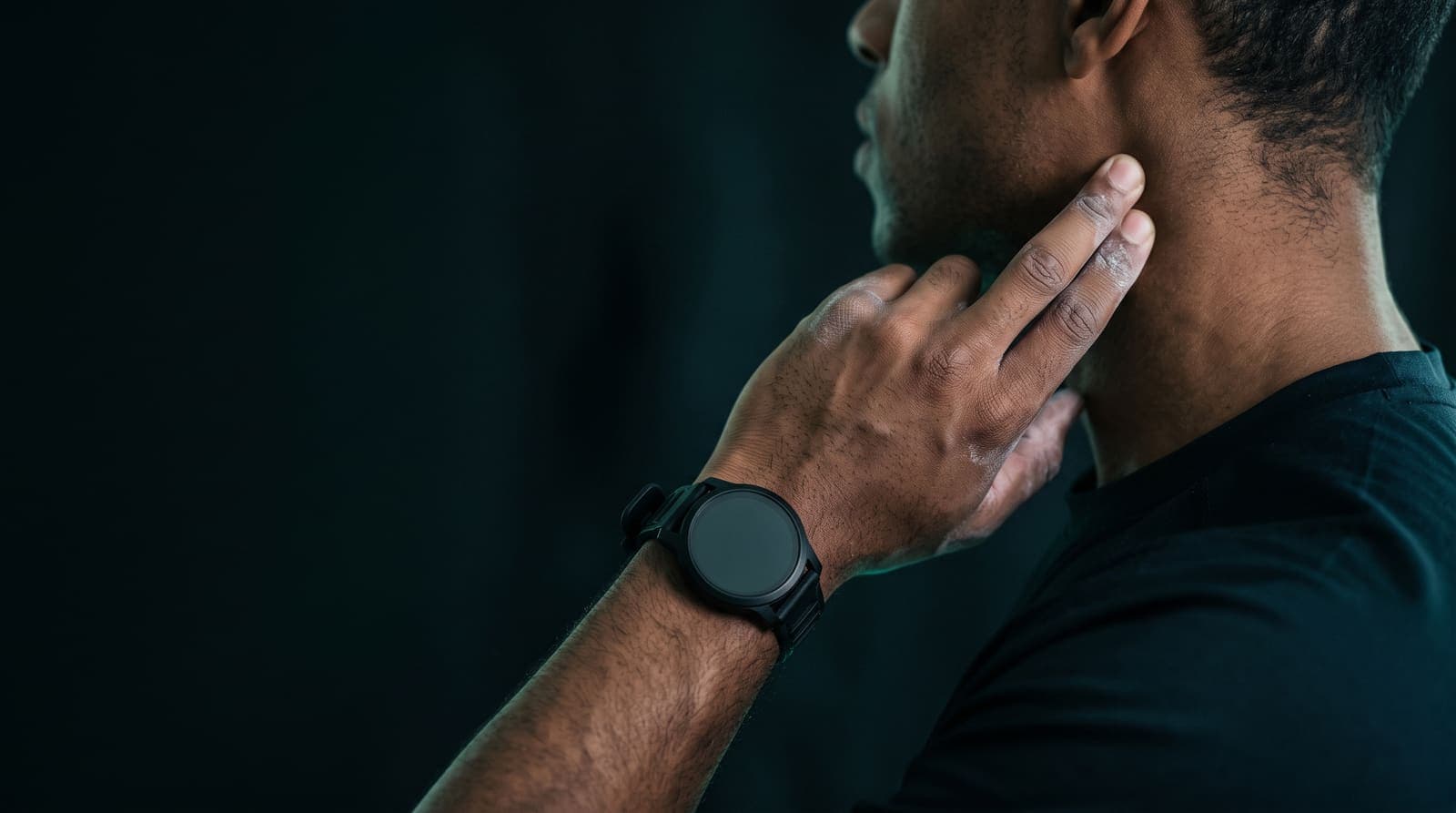
What Is a Good Resting Heart Rate? (And What Lifting Does to It)
What counts as a good resting heart rate, why it matters for long-term health, how much lifting and cardio actually lower it, and how to use your Apple Watch trend to spot fatigue before it costs you a session.

Does Cortisol Cause Belly Fat? What the Research Actually Shows
"Cortisol belly" is all over social media. Stress hormones do influence where fat lands, but the effect in healthy people is small. Here's what the studies found and what actually shrinks your waist.
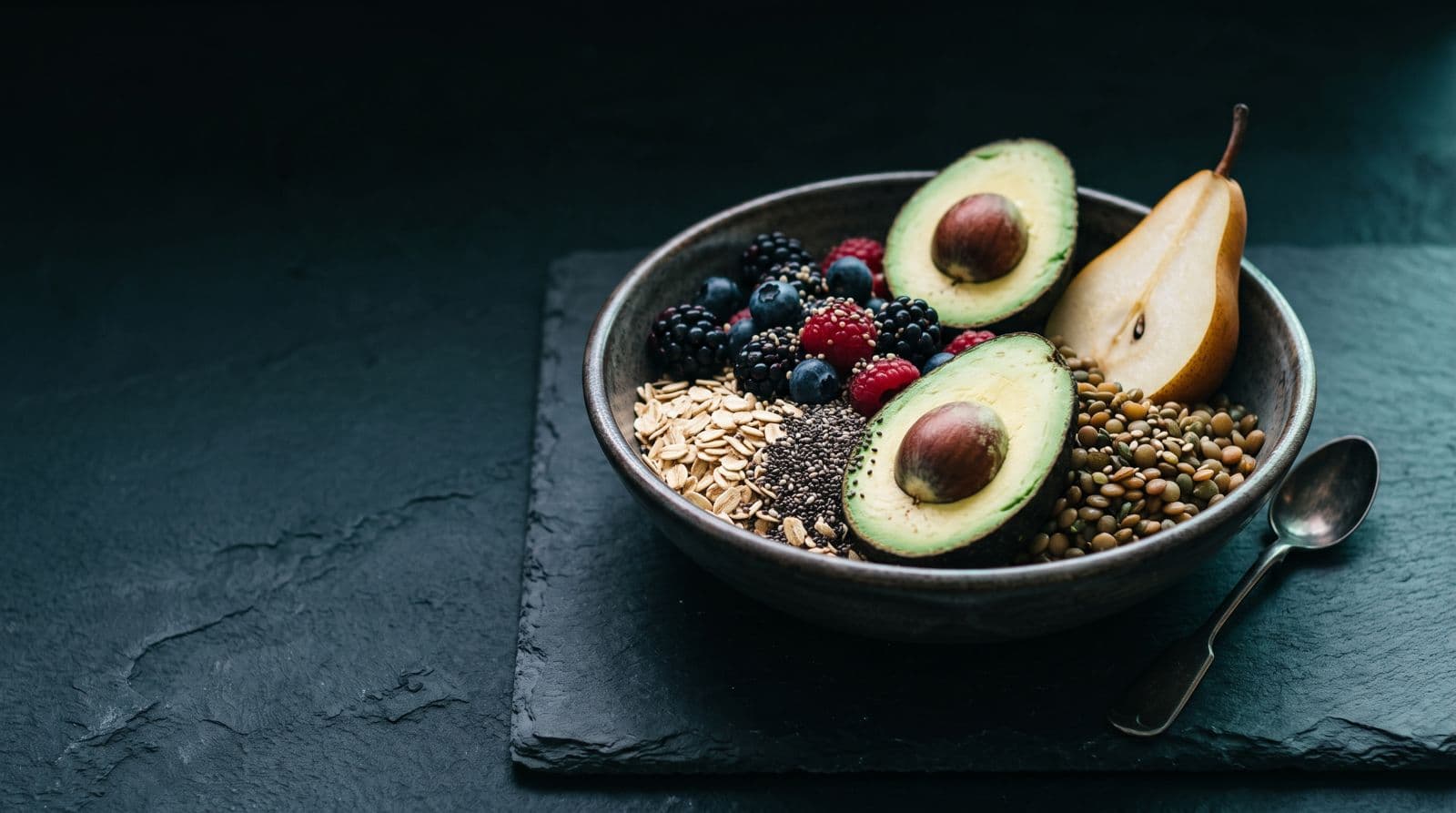
How Much Fiber Should You Eat for Fat Loss? (The Number Most Cuts Miss)
Fiber was the strongest single predictor of weight loss in one of the biggest diet trials ever run. Here's how many grams to aim for on a cut, why it works, and how to hit it without wrecking your macros.

Can You Build Muscle With Bodyweight Exercises Alone?
Yes, if you train close to failure and keep making the exercise harder. Here's what the push-up vs bench press research shows, where calisthenics fall short, and how to progress without weights.
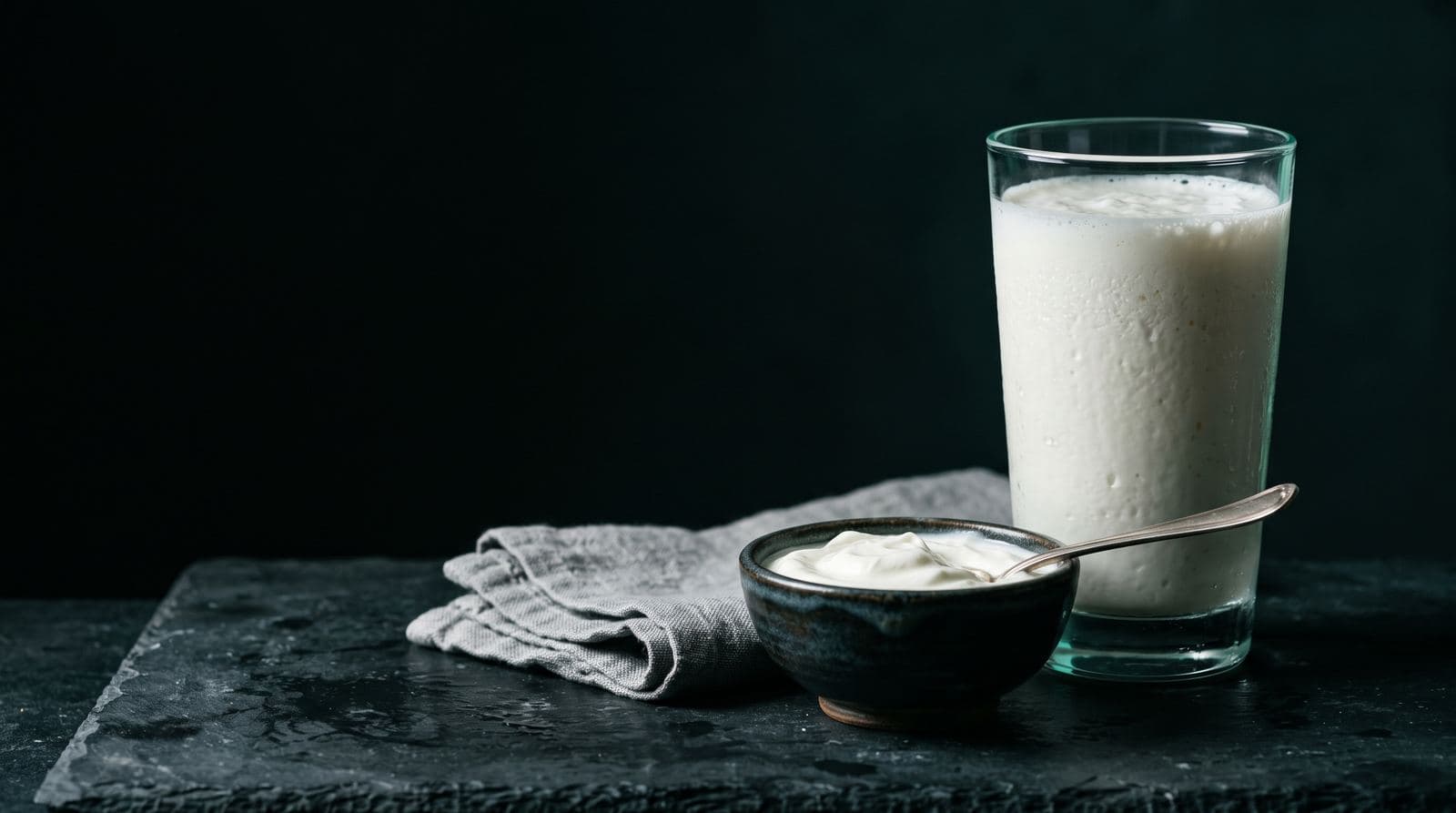
Should You Eat Protein Before Bed? What the Casein Research Actually Shows
A pre-sleep protein shake does raise overnight muscle building. But when total daily protein is matched, bedtime protein beats daytime protein by roughly nothing. Here's how to use it.

How Long Does It Take to Lose 1% Body Fat? (The Real Math)
Most people drop one point of body fat every 2 to 4 weeks on a well-run cut. Here's the math behind that number, why it changes as you get leaner, and why your scale can't show it week to week.
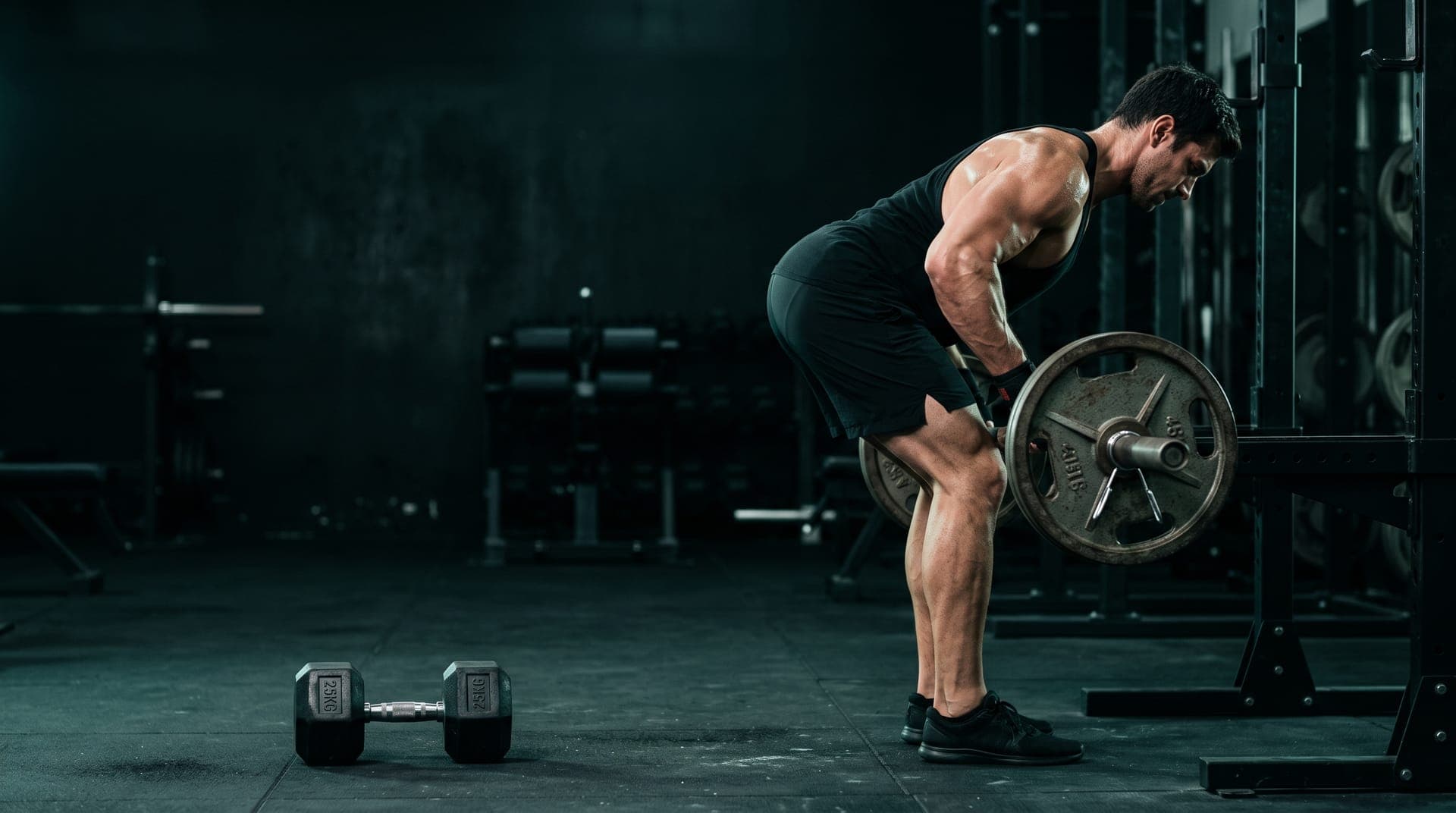
Compound vs Isolation Exercises: Which Builds More Muscle?
Head-to-head trials show compound and isolation lifts grow muscle about equally per hard set. The real differences are time efficiency and which parts of a muscle get trained. Here's how to use both.
How to Lose the Last 10 Pounds (Why It's Harder and What Actually Works)
The last 10 pounds are slower for real physiological reasons, not willpower. Here's why, how fast you should actually expect to lose them, and the plan that gets them off without burning your muscle.
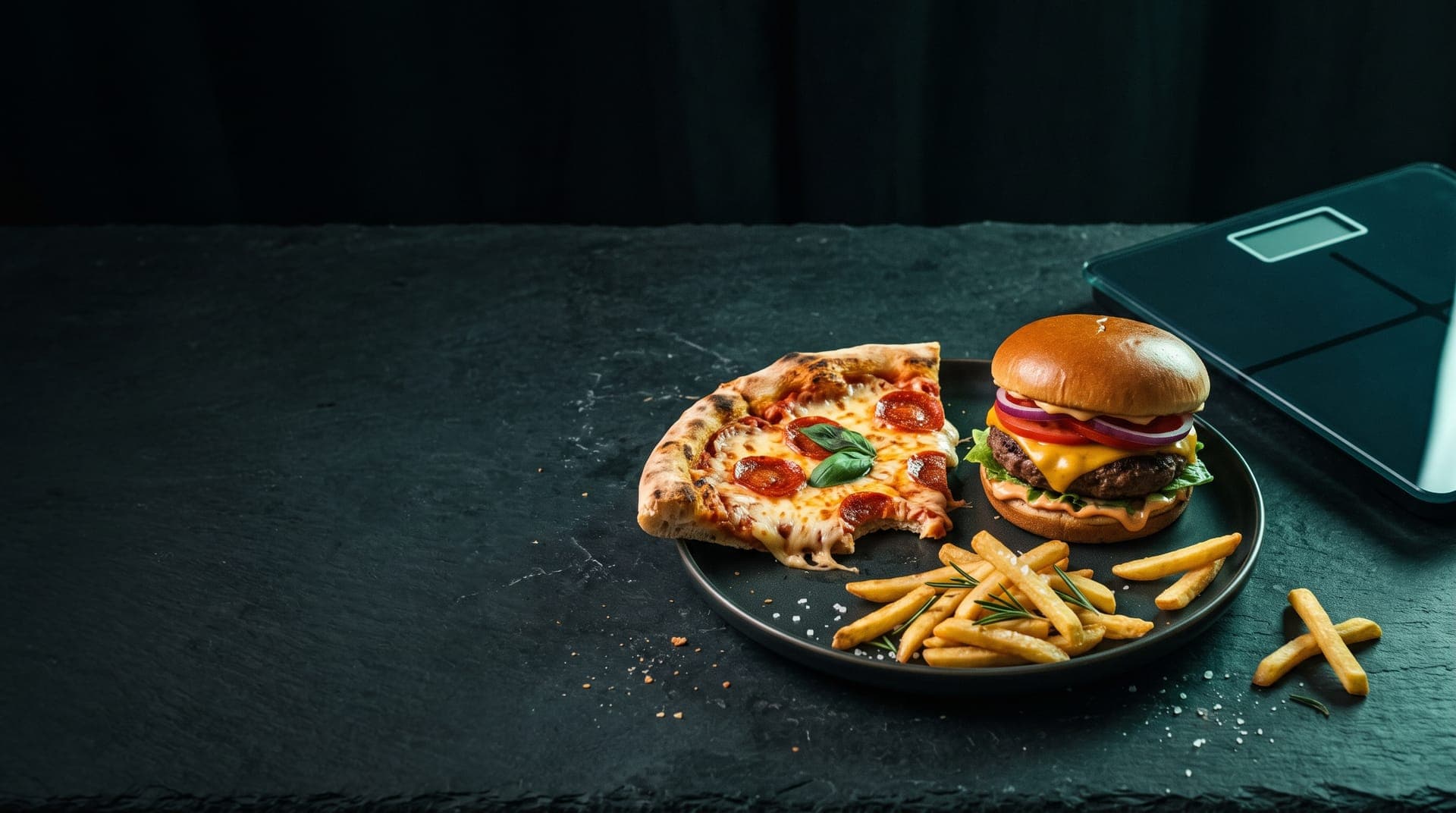
Gained Weight After a Cheat Day? How Much Is Actually Fat
Up 3 to 5 pounds the morning after a cheat day? Here's the math on how much of it is fat (very little), what the rest is, how long it takes to come off, and what to do next.

Weight Gain During Your Period: How Much Is Normal and How to Track Through It
Why the scale jumps 1 to 5 pounds before and during your period, what the research says about cycle-related water retention, and how to read your weight trend on a cut without panicking.

Is the 12-3-30 Workout Good for Fat Loss? A Coach's Verdict
The viral 12-3-30 treadmill workout (12% incline, 3 mph, 30 minutes) explained honestly: how many calories it really burns, what the 2025 lab study found, and how to use it on a cut without hurting your lifting.
Is Apple Watch Heart Rate Accurate When Lifting Weights?
Wrist heart rate is great on a run and shakier under a barbell. Here's what the validation studies show about Apple Watch during strength training, why gripping throws it off, and how to get cleaner data.

How Much Weight Can You Lose in a Month? (Realistic Numbers)
The honest answer to how much weight you can lose in a month: what's water, what's fat, what the research says about safe rates, and how to set a monthly target you'll actually hit without burning muscle.

Do You Lose Strength on a Cut? What's Normal and What's Muscle Loss
Most lifters feel weaker a few weeks into a cut and assume they're losing muscle. Usually they aren't. Here's what the research says about strength in a deficit, why your top sets drop, and how to tell a normal dip from real muscle loss.
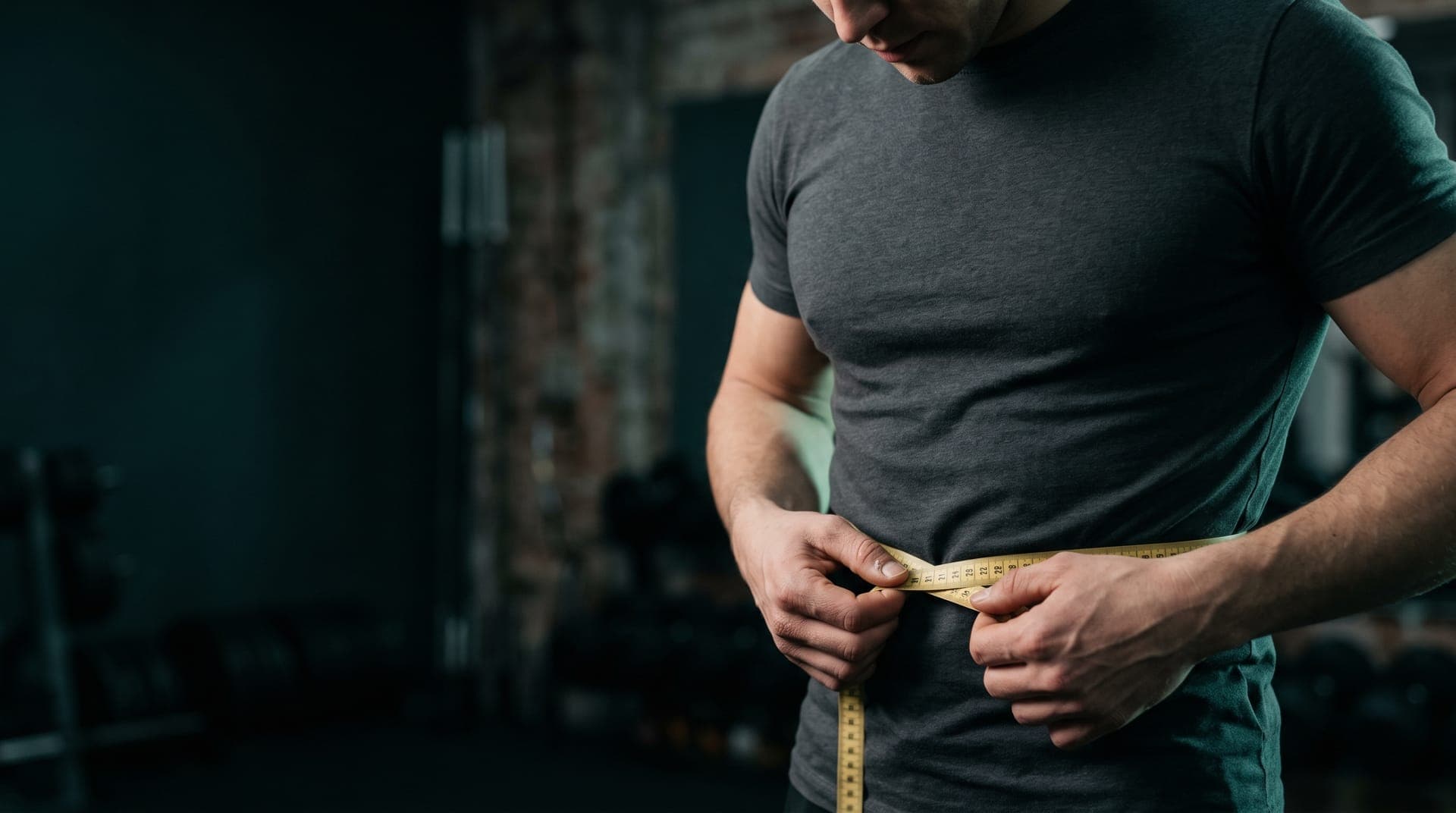
Waist-to-Height Ratio: The Body Composition Number That Beats BMI
Waist-to-height ratio predicts health risk better than BMI and takes 30 seconds with a tape measure. Here's how to measure it, what the 0.5 cutoff means, and why it's one of the best progress metrics for anyone lifting or cutting.
Weight Lifting vs Cardio for Fat Loss: What the Research Actually Shows
Cardio burns more calories per session, but lifting decides what kind of weight you lose. Here's what the trials show and how to split your week for fat loss without losing muscle.
Double Progression: The Simplest Way to Keep Getting Stronger
Double progression means adding reps first, then weight. Here's exactly how to set it up, when to add load, how big a jump to take, and what to do when you stall.
Am I Losing Fat or Muscle? 5 Signs That Actually Tell You
The scale can't tell fat loss from muscle loss. Your strength, waist, rate of loss, and protein intake can. Here's how to read the signs and what to change if muscle is slipping.
How Many Rest Days Do You Need a Week? (For Muscle and Fat Loss)
Most lifters need one to three full rest days a week, but the real answer depends on how you split your volume, not the calendar. Here's what the research says and how to set your week up.

Does the Mind-Muscle Connection Actually Work? What the Research Shows
Squeezing the muscle and thinking about it can double growth in some muscles and do nothing in others. Here's what the studies actually found, where it helps, where it hurts, and how to use it.
How to Break a Strength Plateau (When Your Lifts Stop Moving)
Stuck on the same bench, squat, or deadlift for weeks? Here's how to tell a real plateau from a bad week, the five things that usually cause it, and the order to fix them in.

How Long Does It Take to See Results From Working Out?
Strength shows up in weeks, measurable muscle in about a month, and visible change in two to three months. Here's the real timeline, why some people respond faster, and how to know it's working before the mirror agrees.
Why Am I Gaining Weight After Starting to Work Out?
Up 2 to 4 pounds after your first few weeks of training? Here's what's actually on the scale (water, glycogen, repair fluid, and sometimes extra food), how long it lasts, and how to tell fat gain from noise.

What Is a Good FFMI? The Natural Limit of 25, Explained
FFMI tells you how much muscle you carry for your height. Here's how to calculate it, what counts as average, good, and elite, and why the famous natural limit of 25 is a guideline, not a law.
Does Diet Soda Stop Fat Loss? What the Trials Actually Show
Diet soda gets blamed for stalled cuts, insulin spikes, and sugar cravings. Here's what randomized trials show about artificial sweeteners and fat loss, and where the scary headlines come from.

How Accurate Is Apple Watch VO2 Max? What the Validation Studies Show
Three lab studies have now tested Apple Watch's Cardio Fitness number against a metabolic cart. It reads about 13 to 16% off for an individual, and it's biased in a predictable direction. Here's how to use it anyway.
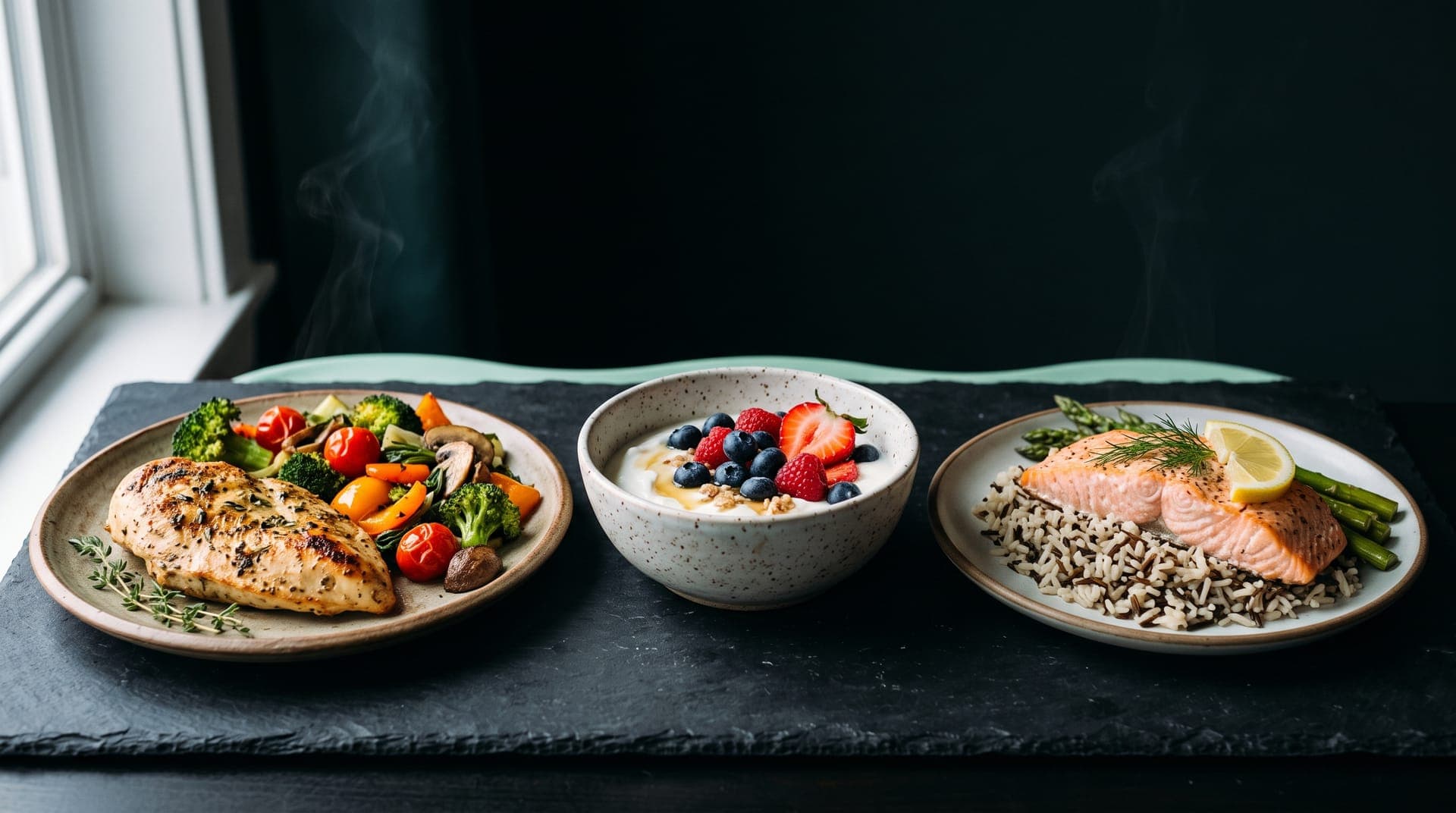
How Many Meals a Day Should You Eat to Build Muscle?
Six small meals doesn't stoke your metabolism, and the 25-gram-per-meal cap turned out to be wrong too. Here's what the distribution research actually supports, and the number of meals worth building your day around.

How to Train Around an Injury Without Losing Muscle
An injury takes one movement away from you, not your whole physique. Here's what the disuse research says about how fast muscle actually goes, and the four levers that keep almost all of it while you heal.

How to Train in a Calorie Deficit (Without Losing What You Built)
The program isn't what decides whether you keep muscle on a cut. The size of the deficit is. Here's what the training research actually supports: deficit ceiling, volume floor, protein target, and realistic performance expectations.

How Accurate Is a DEXA Scan? (What the Number Actually Means)
DEXA is the gold standard for body composition in practice, but it's precise rather than perfectly accurate. Here's the difference, how big the real error bars are, and how to scan so your results are comparable.
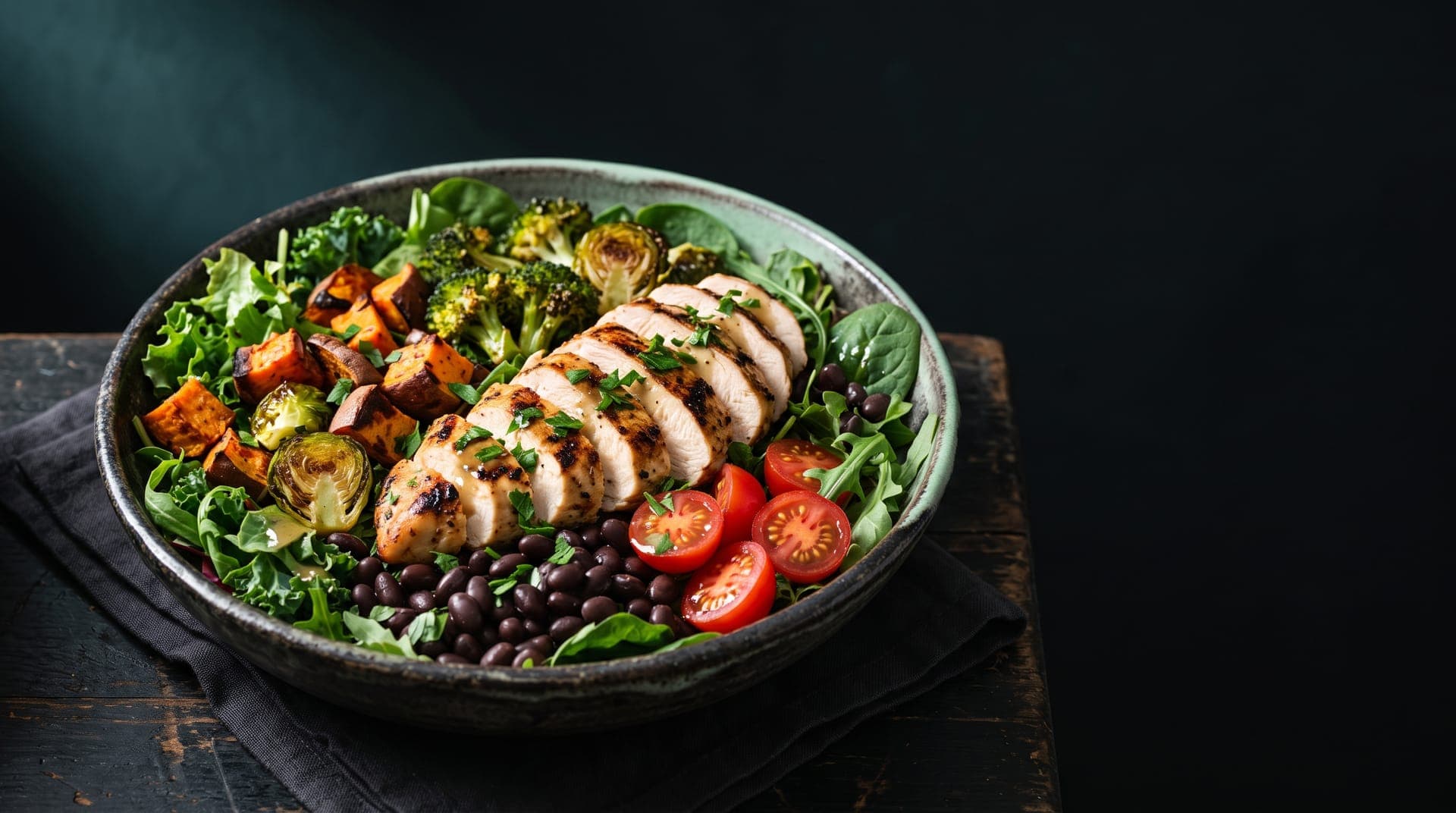
How to Manage Hunger on a Cut Without Eating More Calories
Hunger is the reason most cuts fail, and it's more controllable than people think. Here's what actually moves appetite at a fixed calorie target: protein dose, food volume, processing level, and sleep.
How to Structure a Diet Break (And When You Actually Need One)
A diet break is 1-2 weeks at maintenance during a long cut. The trials say it won't beat continuous dieting on fat loss. Here's the real reason to run one, and the protocol.

Should You Stretch Before Lifting? What the Evidence Actually Says
Static stretching before a heavy session costs you strength, but only past a duration most lifters never reach. Here's the real threshold, why stretching won't prevent injury, and what belongs in a warm-up instead.
Does Pre-Workout Actually Work? The Caffeine Does. The Tingle Doesn't.
An analysis of the 100 best-selling pre-workouts found caffeine dosed correctly and almost everything else dosed at half the research amount or less. Here is what each ingredient needs to work, and what you are actually getting.
How Often Should You Change Your Workout Routine?
Muscle confusion is not a mechanism. The research says keep your main lifts for months, rotate accessories for anatomical reasons, and change the program when progression stalls instead of when the calendar says so.
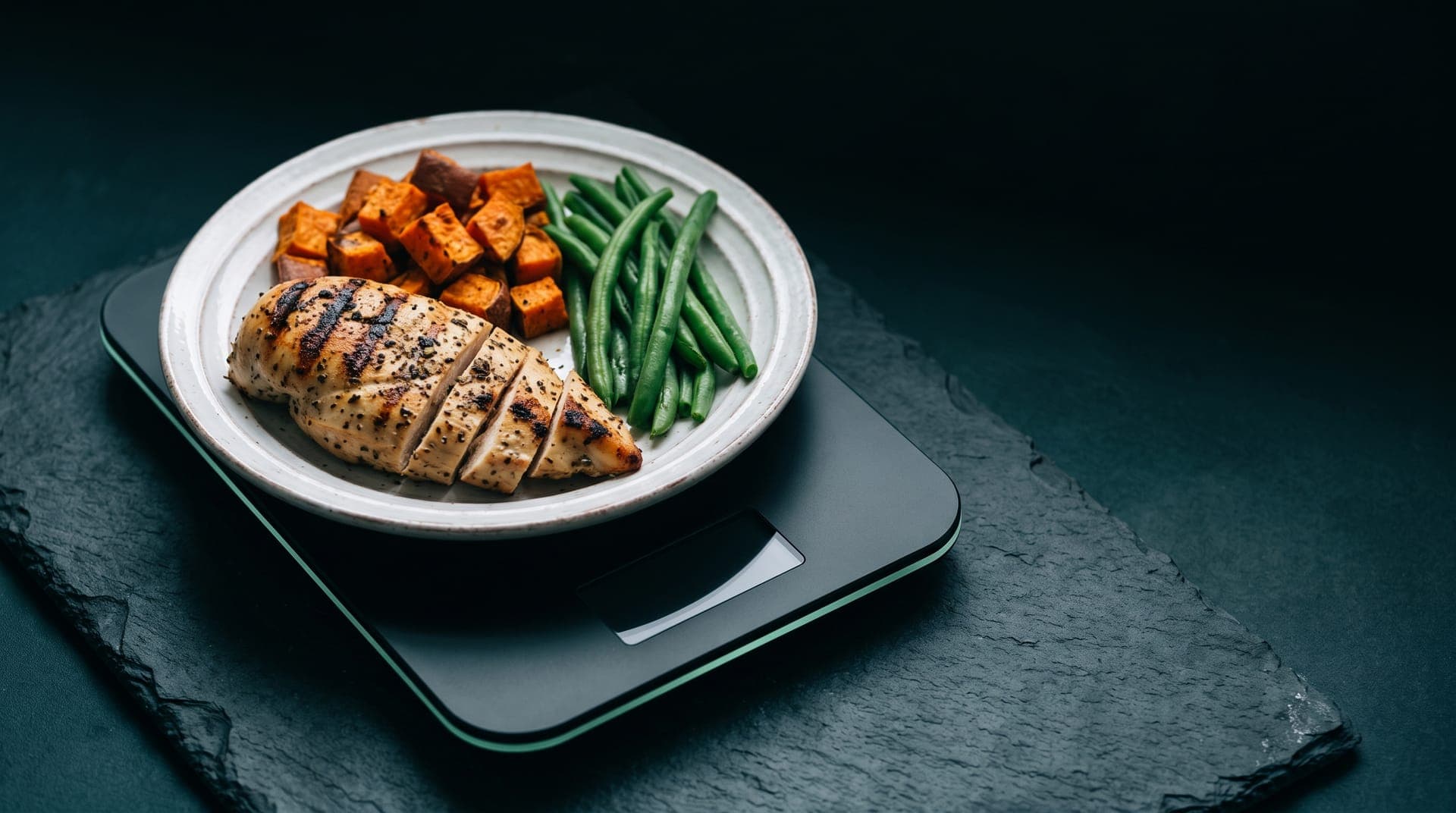
How to Calculate Your Maintenance Calories
Maintenance calories (TDEE) formulas are approximations. Here's how to calculate a starting point and then calibrate it to your actual metabolism.
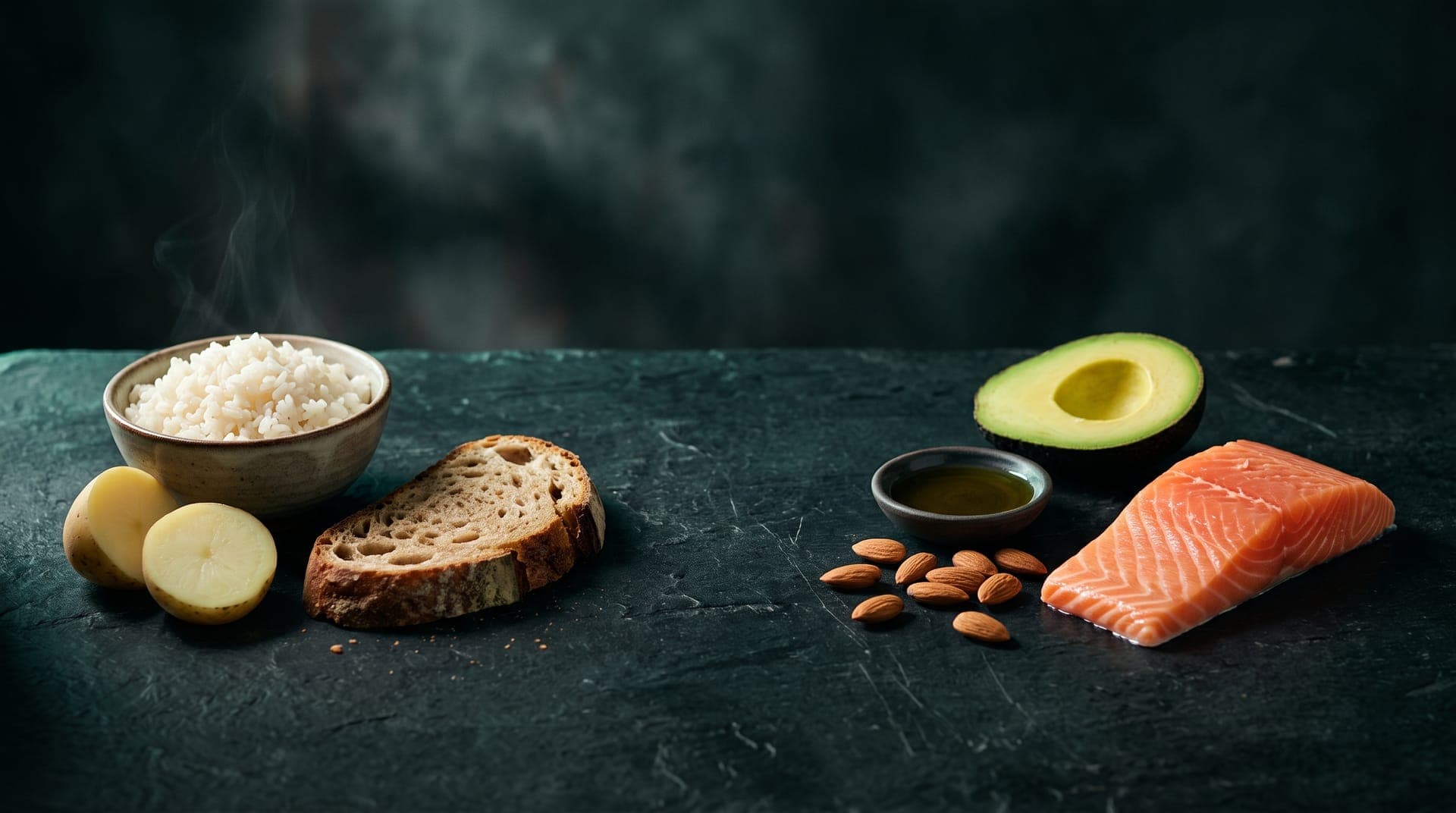
Low Carb vs Low Fat for Fat Loss: What the Trials Actually Show
Two of the largest controlled comparisons ever run put low carb and low fat head to head. The gap between them was smaller than the gap between two people on the same diet. Here is what that means for your cut.
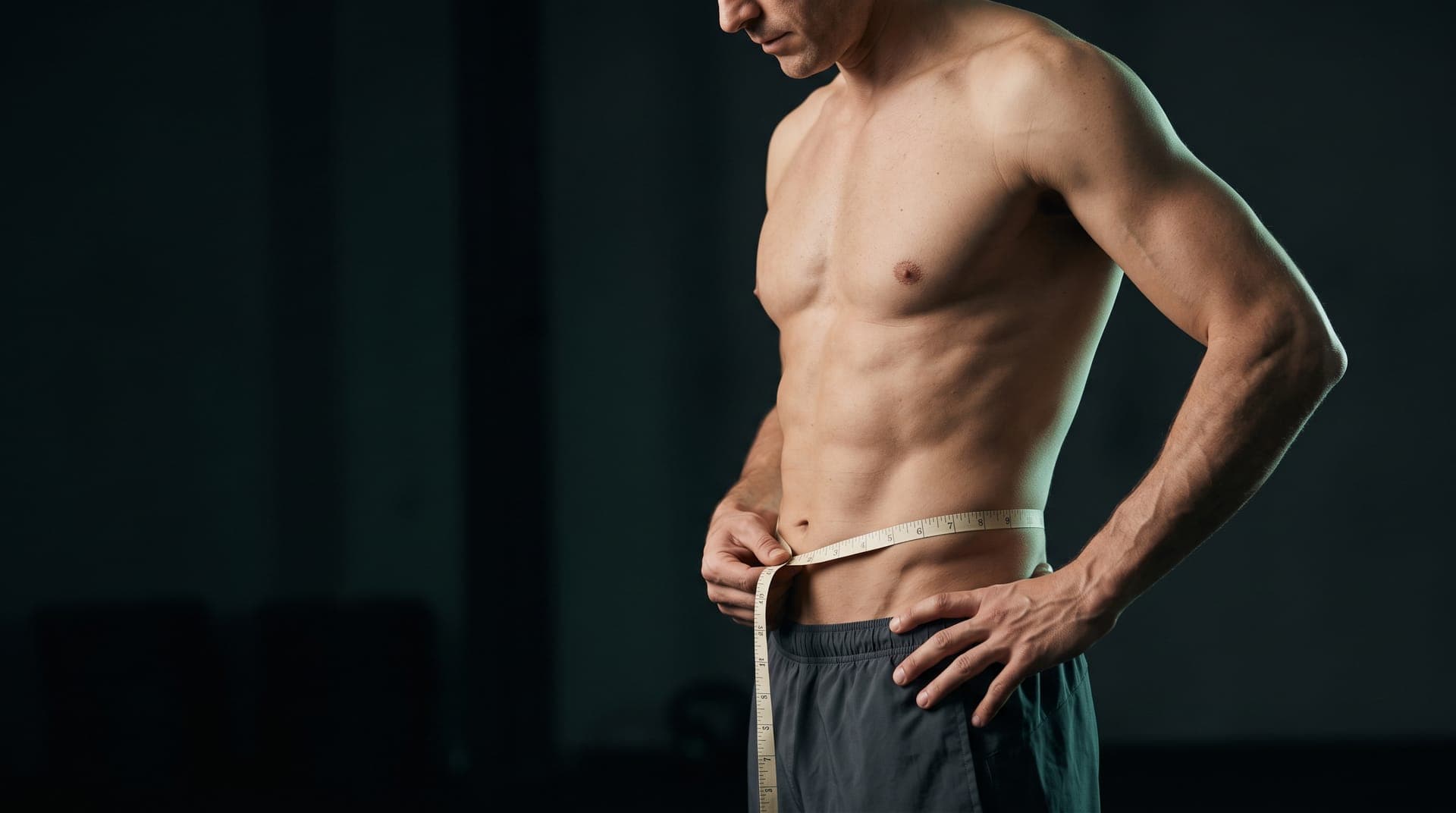
How to Lose Visceral Fat (And How to Know If You Even Have It)
Visceral fat is the fat you cannot pinch, and it responds differently to training than the fat you can. Here is how to estimate yours without a scan, and what the trials say actually shifts it.

Does a Cold Plunge Kill Your Gains? What the Training Data Says
Post-lifting cold water immersion measurably blunts muscle growth. Strength mostly survives it. Here is what the trials found and how to keep the recovery benefit without paying for it in muscle.
How to Break a Weight Loss Plateau
Stuck at the same weight for weeks? Most plateaus aren't metabolic. Here's how to diagnose the real cause in order, and what to do when adaptation is genuine.

Maingaining: Can You Build Muscle at Maintenance Calories?
Maingaining means holding bodyweight steady while adding muscle. The evidence says it works, slowly, and only if you are honest about what maintenance actually is.
nSuns 531 LP Review: Fast Progress, Short Runway
nSuns bolts weekly linear progression onto 5/3/1 and buries it in volume. It works, hard, for about three to five months. Here's who should run it and when to get off.
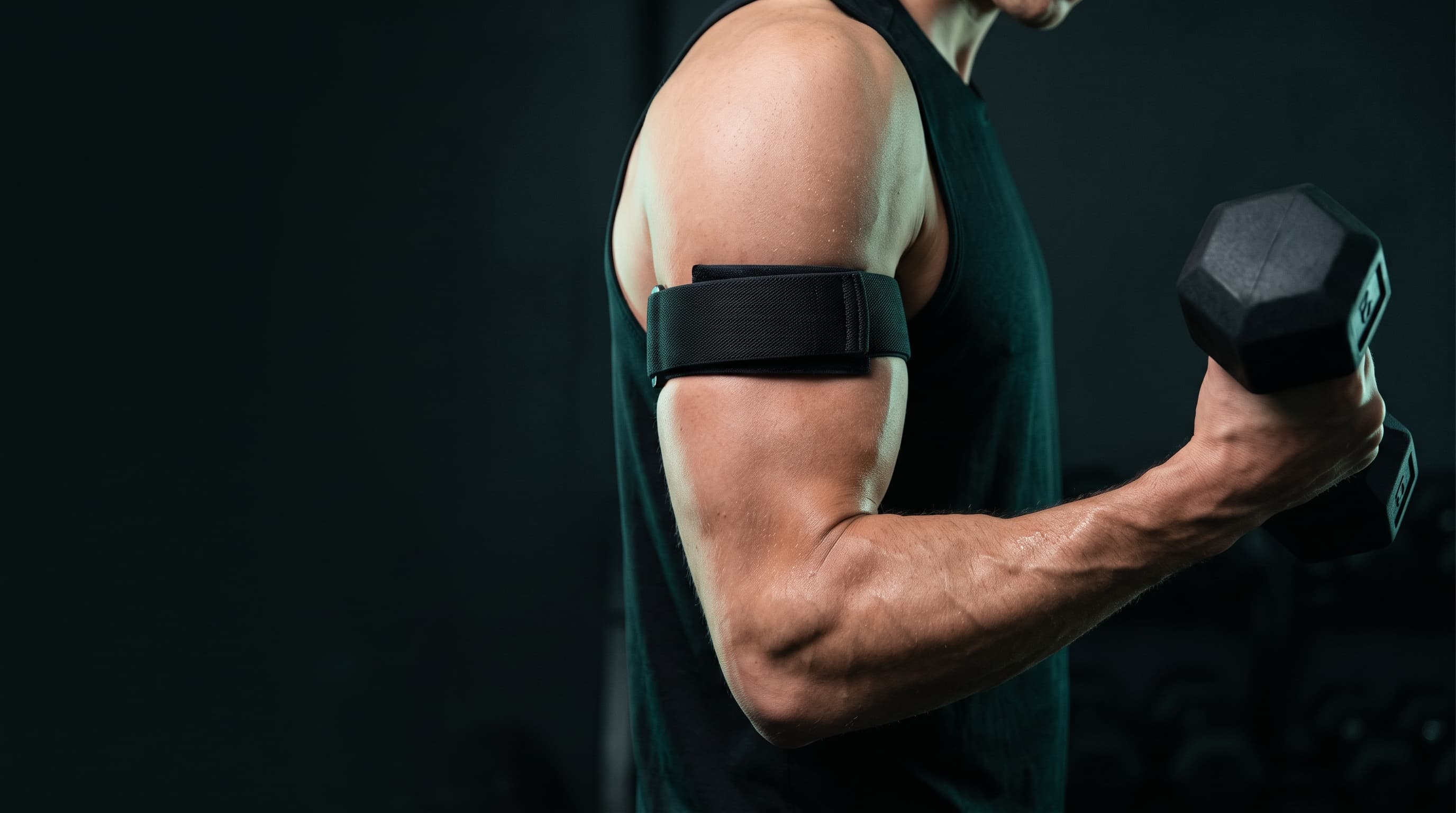
Does Blood Flow Restriction Training Actually Build Muscle?
Cuffed training at 20 to 30 percent of your 1RM grows muscle about as well as heavy lifting. It does not build strength as well, and that distinction decides whether it belongs in your program.
Juggernaut AI Alternatives in 2026 (The Powerlifting-Only Knock Is Dead)
Juggernaut AI now programs powerbuilding and full-body hypertrophy, so 'it's only for powerlifters' is out of date. Here are the best Juggernaut AI alternatives in 2026, what each one actually costs now, and the gap none of them have closed.
PHUL vs PHAT: Which One Should You Actually Run?
PHUL and PHAT both promise strength and size in the same week. One of them fits into a real life. Here's how the two programs differ, what the volume research says about the gap between them, and how to pick.
JEFIT Alternatives in 2026 (The Old Complaint No Longer Applies)
JEFIT shipped a real progressive overload engine and adaptive mesocycles, so the classic reason to leave it is gone. Here are the best JEFIT alternatives in 2026, what each one costs now, and the gap JEFIT still hasn't touched.

Does Rest-Pause Training Build More Muscle, or Just Save Time?
Rest-pause and myo-reps are sold as a way to squeeze extra growth out of a single set. The volume-equated research says growth is about the same. What changes is how long you're in the gym.
GZCLP Review: The Best Beginner Program Nobody Recommends
GZCLP fixes the two things that break StrongLifts 5x5: not enough volume and no way to fail gracefully. Here's how the three-tier structure works, where it still falls short, and who should run it.
Does Eating Late at Night Make You Gain Fat?
Controlled trials say calories decide your weight, not the clock. But the best late-eating study ever run found real metabolic costs to a 4-hour delay. Here's how both things are true, and what it means for your cut.
Hevy Alternatives in 2026 (Hevy Stopped Being Just a Logger)
Hevy shipped a program generator in February 2026, which kills the old reason to leave it. Here are the best Hevy alternatives in 2026, what each one costs now, and the one gap Hevy still hasn't closed.
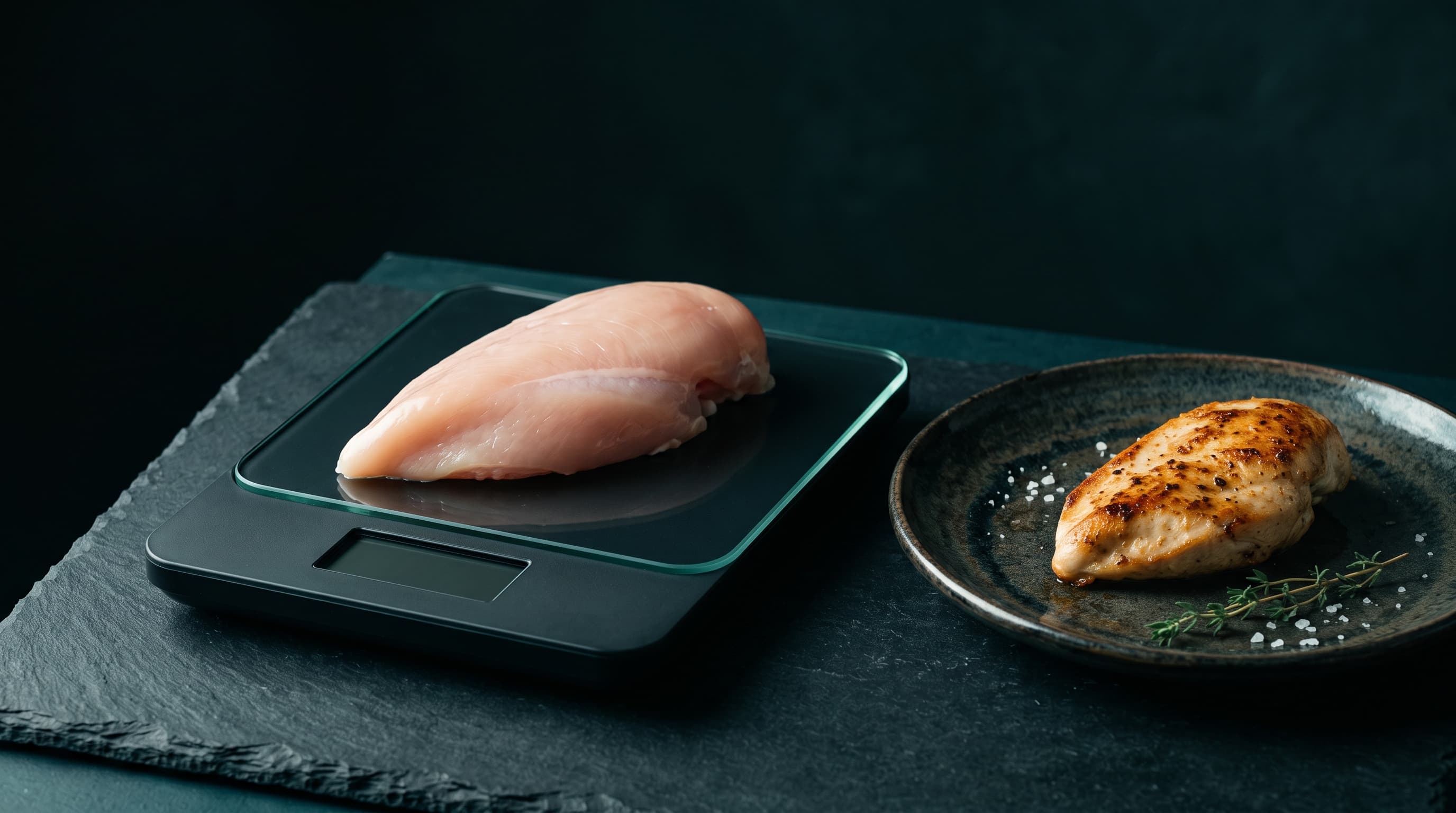
Should You Weigh Food Raw or Cooked? (The Error Costs You 90 Calories a Meal)
Cooking changes a food's weight but not its calories. Here is the raw vs cooked rule, the yield numbers for chicken, beef, rice and pasta, and how to batch-cook without wrecking your log.
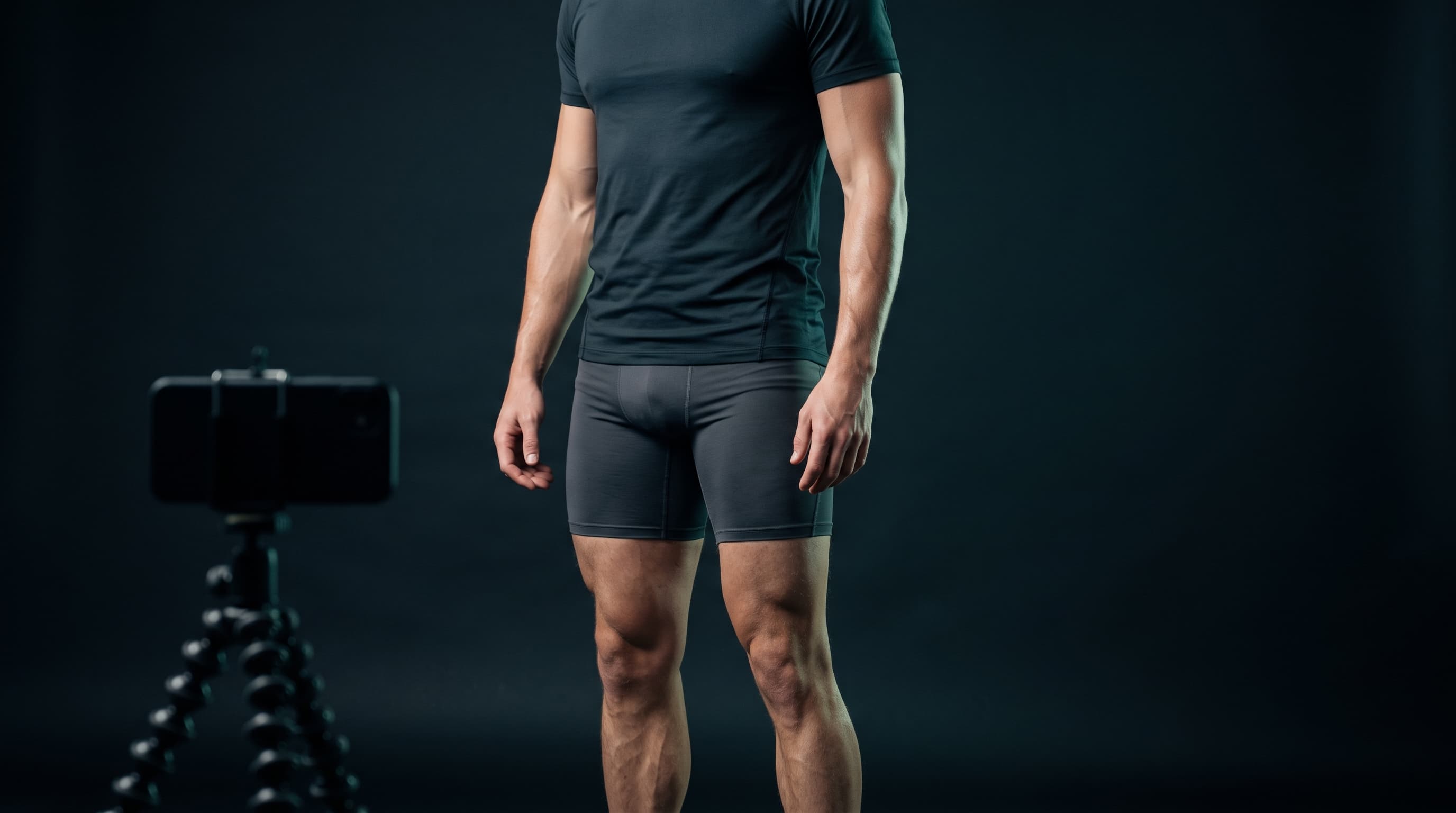
How to Take Progress Photos That Actually Show Change
Most progress photos are useless because the lighting, pose, and time of day change more than the body does. Here is the protocol that makes the comparison honest.
Linear vs Undulating Periodization: Which One Should You Run?
Volume-equated research says the two models grow the same amount of muscle. Where they split is strength in trained lifters, and how likely you are to actually finish the block.

Strong App Alternatives in 2026 (The Logger Category Just Got Smarter)
Strong is still the cleanest workout logger on the App Store, and it still won't tell you what to lift. Here are the best Strong alternatives in 2026, with what each one actually costs now.
Does Muscle Weigh More Than Fat? The Honest Answer
A pound is a pound. But muscle is about 18 percent denser than fat, and that single number explains why your scale can sit still for eight weeks while your body visibly changes. Here's how to read weight properly.
Do Drop Sets Build More Muscle? What the Research Actually Shows
Drop sets are sold as an intensity hack that forces extra growth. Pooled research says they grow about the same muscle as straight sets, in roughly half the time. Here's when that trade is worth making.
How Often Should You Train Each Muscle Group?
Frequency is a delivery mechanism for volume, not a growth stimulus of its own. What the volume-equated research says, why twice a week still beats once for most lifters, and how to pick your split.
Carbon Diet Coach Alternatives in 2026 (What $100 a Year Actually Buys)
Carbon Diet Coach is competent adaptive nutrition coaching at roughly $100 a year, with no free tier and no training side. Here's what beats it in 2026, and what each option costs now.
How Many Warm-Up Sets Do You Actually Need?
Warm-up sets should scale with the load on the bar, not with the exercise or how long you've been lifting. What the research actually shows, why the studies disagree, and a ramp that takes under four minutes.
Why the 3,500-Calorie Rule Overpredicts Your Fat Loss
A 500-calorie deficit is supposed to give you a pound a week. It doesn't, and the gap gets worse the longer you diet. Here's the math behind why linear deficit projections fail and what to plan around instead.
Starting Strength Review: Does Novice Linear Progression Still Hold Up?
Twenty years on, Starting Strength is still the fastest way for a true beginner to get strong. Here's what it gets right, the two places it quietly fails people, and how long you should actually run it.
Fitbod Alternatives in 2026
Fitbod got cheaper and better in 2026, but it still stops at the gym door. Here are the best Fitbod alternatives, with current pricing and an honest read on what each one actually replaces.

Does Spot Reduction Work? Why Your Stubborn Fat Goes Last
Fifty years of research says you can't pick where fat comes off, and the handful of studies that claim otherwise found effects too small to see in a mirror. Here's what actually determines the order, and what you can control instead.
How Accurate Are 1RM Calculators? (And How to Use Them Anyway)
Rep-max formulas can miss your true one-rep max by 10 percent or more, and the error is bigger for some lifts than others. Here's what the research actually shows, and why a slightly wrong number is still the best progress metric you have.
Wendler 5/3/1 Review: Is It Still Worth Running in 2026?
5/3/1 has survived 17 years of fitness trends for a reason. Here's an honest look at what the template does well, where it leaves gains on the table, and who should actually run it.
Best MacroFactor Alternatives in 2026 (Now That It Has a Workouts App)
MacroFactor launched a separate Workouts app in January 2026, so the old knock against it no longer lands. Here's what actually still beats it, and what it costs now.
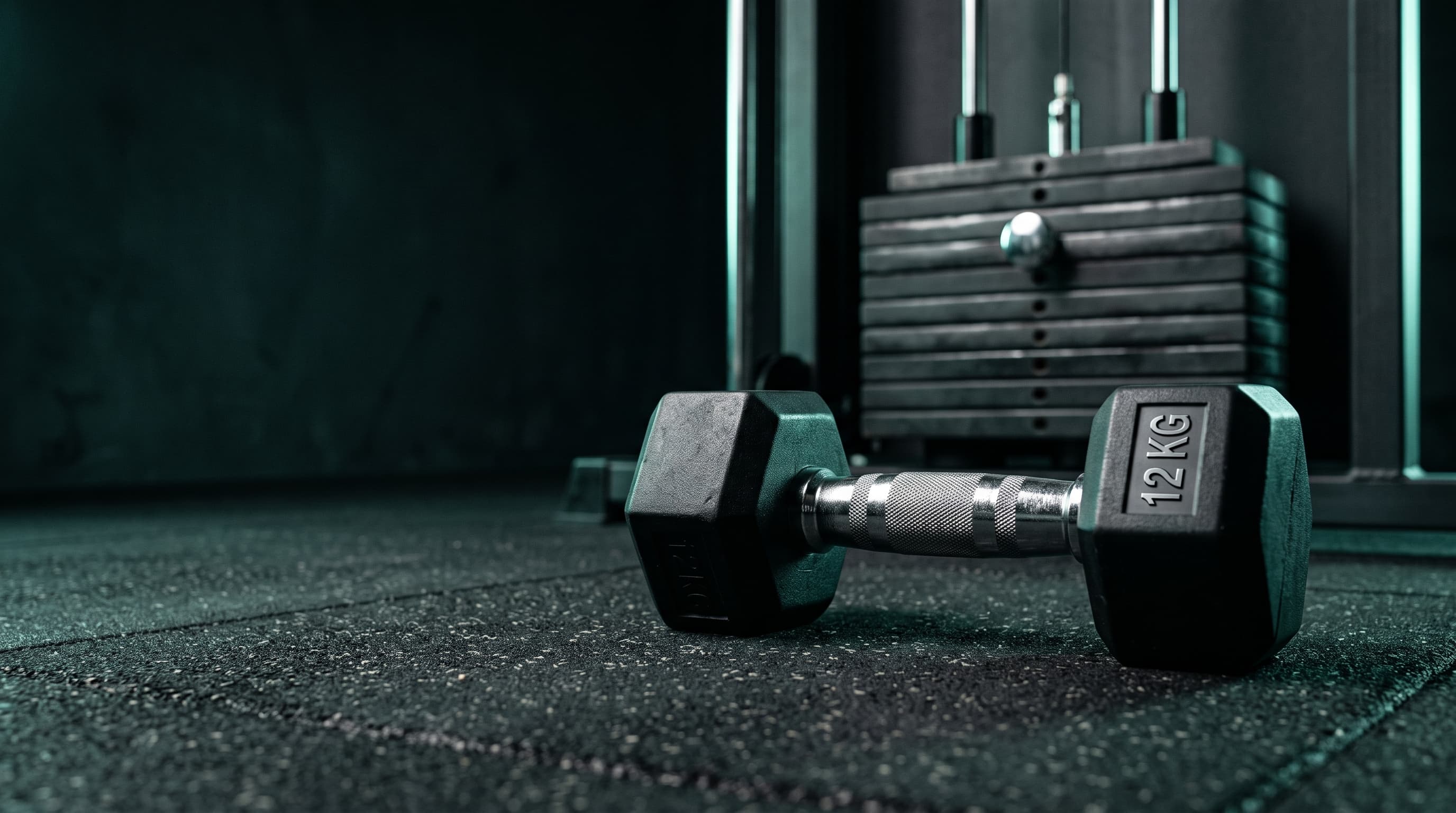
Machines vs Free Weights for Muscle Growth: What the Research Actually Shows
A 1,016-person meta-analysis found effectively zero difference in hypertrophy between machines and free weights. Here's what the data says, where specificity really does matter, and how to pick per exercise instead of per gym.

Does Time Under Tension Build Muscle? What Lifting Tempo Actually Changes
Anywhere from half a second to about eight seconds per rep grows muscle about equally. Here's what the tempo meta-analyses found, why slow reps feel harder but don't grow more, and the three places tempo genuinely matters.

How Many Exercises Per Muscle Group Should You Do?
Two to three exercises per muscle group per week covers almost everyone. Here's what the exercise-variation research shows, how to pick the movements, and when rotating actually costs you growth.
How Big a Calorie Deficit Is Too Big? The Alpert Limit, by Body Fat Percentage
Your fat stores can only release energy so fast (about 31 kcal per pound of fat mass per day). Here's the deficit ceiling at every body fat percentage, and where to actually set yours.
How Long Should a Workout Be? (Stop Guessing, Do the Math)
Session length isn't a target you pick. It's the output of how many hard sets you're doing and how long you rest between them. Here's the arithmetic, and what to cut when the clock beats you.
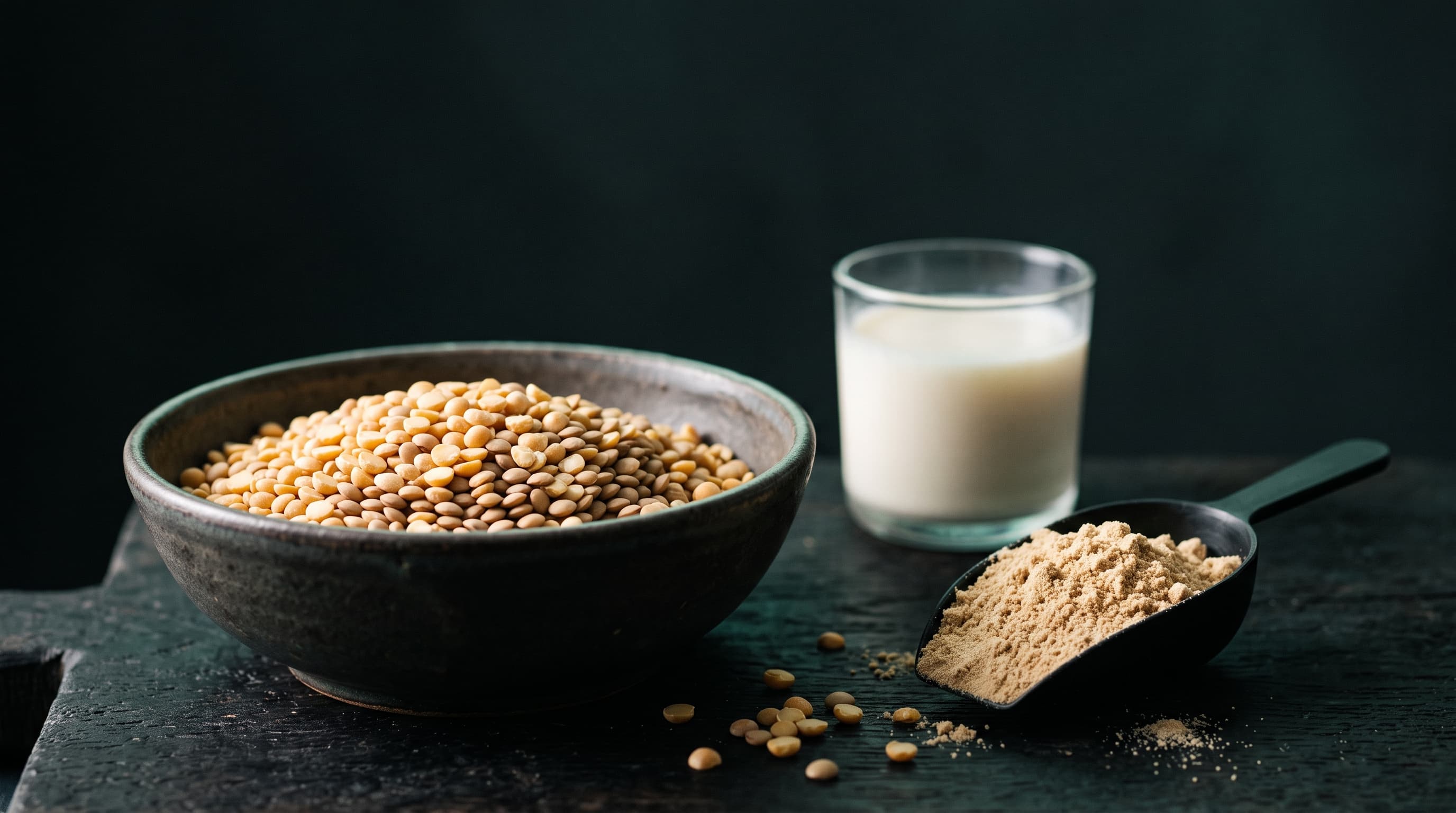
Plant Protein vs Whey: Does the Source Actually Matter for Muscle?
Whey is the gold standard on paper, but head-to-head training studies keep coming back tied. Here's what the research says about plant protein for muscle growth, where the real gap is, and how to close it.
How Many Calories Does Lifting Weights Actually Burn?
A hard hour in the gym burns far less than your watch claims, and the post-workout afterburn is smaller still. Here's what direct measurement shows, why the number is inflated everywhere else, and what to track instead.
Avatar Nutrition Alternatives in 2026
Avatar Nutrition still does flexible dieting well, but it's nutrition-only with no AI logging and no training. Here are the best Avatar Nutrition alternatives in 2026, with current pricing.
Are You a Beginner, Intermediate, or Advanced Lifter?
Training level isn't measured in gym memberships. It's measured in how long it takes you to recover and add load. Here's how to classify yourself honestly, and what changes about your program at each stage.
How to Track Calories When You Eat Out (Without Guessing)
Restaurant meals are where most tracking falls apart. Here's what the research says about menu accuracy, how far off your own estimates are, and a practical system for logging food you didn't cook.

Is BMI Accurate If You Lift? BMI vs FFMI for Muscular People
BMI can't tell muscle from fat, so it flags a lot of lean lifters as overweight. Here's what FFMI is, how to calculate it, and which number actually tracks your progress.
Best Apps for Tracking Body Composition in 2026
Tracking body composition means more than watching the scale. These apps separate fat mass from lean mass, and one actually forecasts how both will change. Updated for 2026 pricing and features.

Are Sleep Trackers Accurate? What Your Watch Gets Right and Wrong
Consumer sleep trackers are good at telling you how long you slept and bad at telling you how you slept. Here's what the validation research shows, and how to use the number that actually matters for body recomposition.
Should You Do Cardio Before or After Lifting?
Cardio order matters less than most lifters think, but it isn't nothing. Here's what the concurrent training research says about sequence, and the rule that actually protects your strength.

Best Fitness Apps for Body Recomposition Tracking in 2026
Recomposition barely moves the scale, which makes it almost impossible to track with standard weight-logging apps. These are the apps that actually detect what's happening beneath the number, updated for 2026 pricing and features.

How Long Should You Bulk Before Cutting? Body Fat, Not the Calendar
The right time to stop bulking is a body-fat number, not a date on the calendar. Here is where to start, where to stop, and how many weeks that actually takes.
Full-Body vs Split: Which Actually Builds More Muscle?
The full-body versus split debate is really an argument about training frequency and how you spread weekly volume. Here's what the research says and how to pick based on the days you actually train.
How Accurate Is an InBody Scan? What the Research Actually Shows
An InBody scan is far more precise than it is accurate. Validation studies show it can miss true body fat by several points versus DEXA, yet track change almost perfectly. Here is how to use that.

What Body Fat Percentage Do You Need to See Abs?
Visible abs are mostly a body fat number, not an ab-workout problem. Here are the real ranges for men and women, why they differ, and how to actually get there.
Thermic Effect of Food: Does Protein Actually Burn Calories?
Protein really does cost calories to digest, and it's not a rounding error. Here's how the thermic effect of food works, how big it is, and why it quietly changes your real calorie budget.
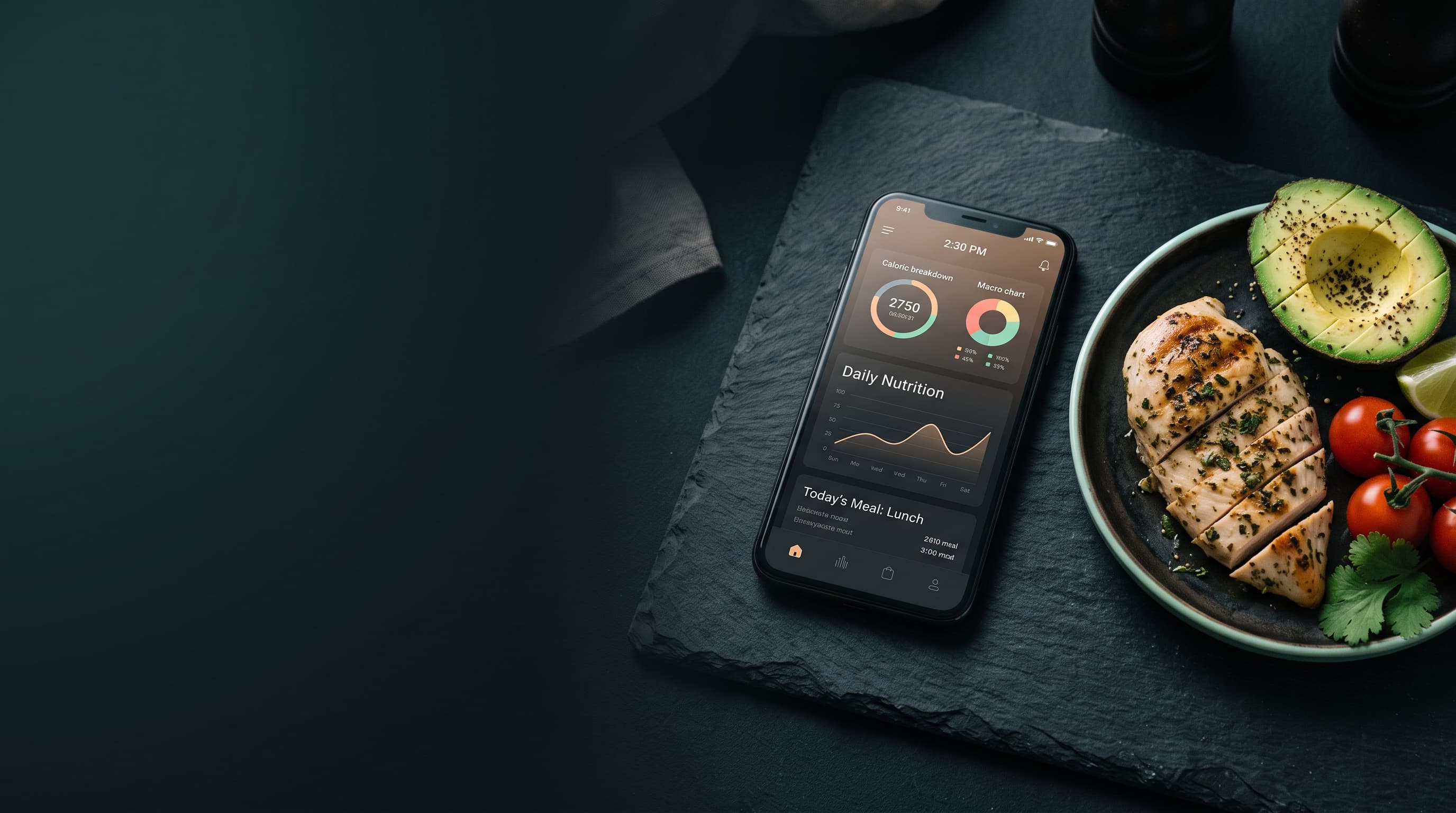
Best Free Calorie Tracking Apps in 2026
Not all free calorie tracking apps are equal. Some are genuinely useful, others are paywalled demos. Here's what you actually get for free in 2026.
Best Workout Apps for Beginners in 2026
The best workout apps for beginners in 2026 ranked honestly, from AI-adaptive programs to free guided workouts. Find the one that actually keeps you consistent.
How Many Calories Does It Take to Build a Pound of Muscle?
Building a pound of muscle costs roughly 2,500 to 2,800 calories of tissue energy, but that does not mean eating that much extra. Here is the real math and what to actually do with it.
Should You Eat Back Exercise Calories? The Honest Answer
Eating back exercise calories is where most calorie-tracking diets quietly fall apart. Here's why the number your watch gives you is unreliable, when eating some of it back makes sense, and the system that sidesteps the whole question.
Best Dr. Muscle Alternatives in 2026 (Ranked)
Dr. Muscle X fixed the UX problem in January 2026. The $399.99/year price and the missing nutrition tracking are still there. Here are the best Dr. Muscle alternatives in 2026, with current pricing.
Does Intermittent Fasting Work for Body Recomposition?
An honest look at intermittent fasting for building muscle and losing fat at the same time. What the resistance-training studies actually found, why the eating window isn't the variable that matters, and the one thing that quietly wrecks recomp on a short feeding window.

Do Refeed Days Actually Work? The Evidence on Carb Refeeds During a Cut
A refeed is 1-2 days of higher carbs at maintenance during a deficit. Here's what the controlled research actually shows about muscle retention, metabolism, and whether you need one.

Newbie Gains: How Long They Last and How to Make Them Count
Your first year of lifting is the fastest muscle you will ever build, and beginners can add muscle while losing fat at the same time. Here is how long newbie gains actually last, what the research says drives them, and how to avoid wasting the one window you only get once.
Calorie Cycling: Should You Eat More on Training Days?
Eating more on training days and less on rest days sounds smart, but does calorie cycling actually improve body recomposition? Here's what the research on refeeds and calorie distribution really shows, and when it's worth the hassle.

Body Recomposition vs Bulk and Cut: Which Should You Actually Do?
A decision guide for choosing between body recomposition and separate bulk-and-cut phases, based on your training age, body fat, and goals, with the research on how fast each approach really works.
Should You Weigh Yourself Every Day? Yes, If You Read the Trend
Daily weigh-ins beat weekly ones in the research, but only if you stop reacting to single numbers. Here's how to turn a noisy scale into a trend weight you can actually make decisions from.
Calorie Banking for Weekend Drinking: Does Skipping Lunch Actually Work?
Skipping meals during the week to bank calories for Friday and Saturday drinks can hold your weight steady, but it quietly taxes muscle. Here's the math, the research, and a smarter protocol.

HRV and Training Readiness: How to Know When to Push or Back Off
Your morning HRV reading is the closest thing to a fuel gauge for training. Here's what it actually measures, how to read it without obsessing, and how to turn it into a real push-or-rest decision.

Do Supersets Build Muscle, or Just Save Time?
Supersets cut your gym time roughly in half. The question is whether that shortcut costs you muscle. Here's what the research actually shows, and which superset styles are safe to use.

How Accurate Is the Navy Body Fat Calculator?
The US Navy tape method lands within about 3-4 points of a DEXA scan for most people. Here is where it is reliable, where it breaks, and how to use it right.

How Fast Do You Actually Lose Muscle When You Stop Lifting?
Skip the gym for two weeks and you feel smaller by day three. Most of that is not muscle. Here's what the detraining research says about how quickly you actually lose size and strength, and how fast it comes back.
How Much Protein Can You Absorb Per Meal? The 30g Myth, Settled
The idea that your body 'wastes' protein above 30 grams per meal is one of the most repeated myths in fitness. New 12-hour tracer research shows the real answer, and why your daily total matters far more than any single-meal cap.
How Accurate Is Your Apple Watch's Calorie Burn? (What the Research Says)
Apple Watch calorie burn is off by roughly 40 percent in controlled studies. Here is why, what your watch actually gets right, and what to track instead if you are trying to lose fat or recomp.
Does Periodization Actually Build More Muscle? What the Research Says
Periodization is sold as the secret to hypertrophy. The research is more nuanced: it beats winging it, but the fancy model you pick barely matters for muscle. Here's what actually drives the gains.

Zone 2 Cardio for Fat Loss (Without Killing Your Gains)
A coach's honest take on Zone 2 cardio for body recomposition. What Zone 2 actually is, how to find your zone, why it's the lowest-interference way to add cardio, and what the 2025 research says about the hype.
How to Track Body Fat Percentage at Home
Learn how to estimate and track body fat percentage at home using measurements, the Navy formula, progress photos, and body composition forecasting tools.
Body Recomposition Macros: How to Set Calories and Protein to Build Muscle and Lose Fat
The exact macro setup for body recomposition: where to put your calories, how much protein you actually need, and why carbs and fats still matter when you're trying to gain muscle and lose fat at the same time.
Maintenance Volume: The Fewest Sets That Actually Keep Your Muscle
You need far less training to keep muscle than to build it. Here's what the research says about maintenance volume, the minimum sets per muscle per week to hold your gains through a cut, a busy stretch, or time off, and how to use it without backsliding.

Does Muscle Soreness Mean Muscle Growth? What the Research Actually Says
Soreness feels like proof your workout worked, but the research says it's a poor signal for hypertrophy. Here's what DOMS actually measures and what to track instead.

The Arnold Split in 2026: Is 6-Day Training Right for You?
Arnold Schwarzenegger's classic split: chest/back, shoulders/arms, legs. Modern analysis of when this high-frequency program delivers results.

RP Hypertrophy App Alternatives in 2026
RP Hypertrophy is science-backed but makes jarring volume jumps and drastic recommendation shifts. Here are the best RP Hypertrophy app alternatives in 2026.

Your Reps in Reserve Estimate Is Probably Off. Here's How to Calibrate It
Most lifters think they're training closer to failure than they actually are. Here's what the research says about reps in reserve accuracy, why beginners overshoot the most, and a simple protocol to calibrate your RIR so your hard sets are actually hard.
What's the Best Rep Range to Build Muscle? The Honest Answer
The research on rep ranges and hypertrophy is clearer than the gym-bro rules suggest: muscle grows across a wide span of reps as long as sets are hard and volume adds up. Here's the working range, why it works, and how to actually use it.

Fasted Cardio: Does It Actually Burn More Fat?
Fasted cardio burns more fat during the session, but controlled trials show no extra fat loss over weeks once calories are equal. Here's what the research really says and when fasted training is worth it.

Body Recomposition for Women: What Actually Changes (and What Doesn't)
A science-backed guide to body recomposition for women. What's genuinely different from men's recomp, what's marketing myth, and how to set protein, training, and calories to build muscle and lose fat at the same time.

Building Muscle After 40: What Actually Changes (and What Doesn't)
Turning 40 doesn't end muscle growth. But two things genuinely shift: anabolic resistance and recovery capacity. Here's the science of training and eating for hypertrophy in your 40s, 50s, and beyond, plus exactly how to adjust.
Muscle Memory Is Real: How Fast You Regain Lost Muscle After Time Off
Took weeks or months off lifting? The muscle you lost comes back far faster than it took to build. Here's the science of muscle memory (myonuclei, epigenetics) and exactly how to retrain without wasting the head start.
How Much Muscle Can You Build in a Year? (Realistic Rates by Experience Level)
Honest numbers on annual muscle gain: what beginners, intermediates, and advanced lifters can actually expect, the genetic ceiling on lean mass, and why the rate slows every year you train.

Lengthened Partials: The Stretch-Position Technique That Builds Muscle
Lengthened partials (reps performed only in the stretched half of the range) may build as much or more muscle than full reps on the right exercises. Here's what the research actually shows and how to program them without overcomplicating your training.
Deload Weeks: When You Actually Need One (and How to Program It)
Deloads aren't a mandatory calendar event. They're a fatigue tool. Here's what the research actually says about when to deload, how to program one, and when to skip it.

Does Cardio Kill Your Gains? The Interference Effect, Explained
A coach's evidence-based take on concurrent training. What the interference effect actually is, why running hurts gains more than cycling, and how to program cardio so it burns fat without costing you muscle.
Creatine for Body Recomposition: Dose, Timing, and What It Actually Does
Creatine is the most-studied supplement in sports nutrition. And the most misunderstood. Here's exactly how it helps you build muscle and lose fat, the dose that works, why loading is optional, and the myths worth ignoring.

How to Fix Skinny Fat: The Body Recomposition Playbook
Skinny fat isn't a weight problem. It's a body-composition problem. Here's why crash diets and endless cardio make it worse, and the exact training and nutrition plan that builds muscle while stripping fat at the same time.

How Close to Failure Should You Train to Build Muscle?
The research-backed answer to how close to failure you need to train for hypertrophy: what reps in reserve (RIR) actually means, why 0-3 RIR is the productive window, and how to stop guessing and start auto-regulating.

NEAT and Fat Loss: Why Your Step Count Beats Cardio
Non-exercise activity thermogenesis (NEAT), the calories you burn just living, can swing total daily expenditure by hundreds of calories. Here's why your daily step count drives fat loss harder than cardio, and how to use it.
Are Smart Scales Accurate for Body Fat? What the Research Says
Smart scales measure weight well but body-fat readings can miss by 4-8 points. Here is what the validation studies show and how to use the number anyway.

How to Do a Mini Cut: Strip Fat in 4 Weeks Without Losing Muscle
A mini cut is a short, aggressive 2-6 week fat loss phase used to interrupt a bulk before fat accumulates. Here's the exact deficit, protein target, training adjustment, and timeline, backed by the research on rapid fat loss and muscle retention.
How Long Should You Rest Between Sets? What the Science Says
A coach's evidence-based guide to rest intervals for muscle and strength. Why the old '30-60 seconds for hypertrophy' rule is wrong, what the meta-analyses actually show, and how long to rest for each goal.

Best AI Workout Generator Apps in 2026
We tested every major AI workout generator on the market. Here's what actually works, what's hype, and which apps build programs grounded in exercise science rather than random GPT output.
Push/Pull/Legs vs Upper/Lower: Which Split Builds More Muscle?
A coach's breakdown of PPL vs upper/lower splits for hypertrophy. What the frequency and volume research actually says, who each split fits, and how to pick the one you'll progress on.
Caloric Surplus for Muscle Gain: How Big Does It Need to Be?
The right caloric surplus for building muscle is smaller than most lifters think. Here is what the research says about surplus size, gain rate, and the cost of going too high.
What Is Lean Body Mass? (And How to Calculate It Correctly)
Lean body mass is the body-composition number that actually predicts training outcomes. Here is what it is, how to estimate it, and how to use it to set protein and calories.

How Sleep Affects Fat Loss and Muscle Gain
Sleep is a primary body-composition variable, not a recovery afterthought. The research on how short sleep wrecks fat loss, spikes hunger, lowers testosterone, and costs you muscle, plus what to actually do.
How Long Does Body Recomposition Take? A Realistic Timeline
A research-backed timeline for body recomposition: how fast you can build muscle and lose fat at once, who recomps quickly vs slowly, and a realistic month-by-month outlook.
MyFitnessPal Alternatives in 2026: What Actually Replaced It
MyFitnessPal went premium, the database got worse, and the ads got unbearable. Here are the best alternatives in 2026, from calorie trackers to full AI-powered fitness systems.
How Many Sets Per Week to Build Muscle (What the Research Shows)
The research-backed answer to how many sets per muscle per week you need to build muscle: minimum effective volume, the optimal range, where returns diminish, and how to set your own number.
GLP-1 and Muscle Loss: How to Keep Muscle on Ozempic, Wegovy, and Zepbound
GLP-1 drugs are remarkably effective for fat loss, but up to 40% of the weight you lose can be muscle. Here's the science on why it happens and the exact protein, training, and tracking protocol to protect your lean mass.
Apple Watch Fitness Features: What's Actually Useful for Training
An honest breakdown of which Apple Watch fitness features are backed by evidence for athletes and which are marketing features you will rarely use.
Alcohol and Fitness: What Actually Happens to Your Gains
Does drinking alcohol kill your gains? Science-backed breakdown of how alcohol affects muscle growth, recovery, and testosterone. One night vs. chronic use.
AI Workout Generator vs Personal Trainer: Which Is Better for Results?
AI workout generators cost less and are available 24/7, but do they deliver results? We compare AI programs vs personal trainers on cost, personalization, and outcomes.
AI Rep Counters: How Accurate Are They Really?
AI rep counters use pose detection to track reps automatically. We break down the accuracy data, which exercises work best, and whether rep counting actually matters for training.
AI-Driven Periodization: How Algorithms Optimize Your Training Cycles
Learn how AI-driven periodization adapts training volume and intensity in real time, outperforming traditional linear and undulating models for strength and hypertrophy.
AI Nutrition Coaching vs Registered Dietitian: When to Use Each
AI nutrition coaching handles macro math, meal ideas, and pattern analysis well. Registered dietitians are essential for medical conditions, eating disorders, and clinical nutrition needs.
How Accurate Is AI Meal Planning? (What the Research Says)
AI meal planners can calculate macros precisely, but accuracy depends on food logging quality, database coverage, and whether the AI accounts for individual metabolism.
How to Measure Body Fat Percentage: DEXA vs Calipers vs Visual
Compare body fat measurement methods. Learn which is most accurate (DEXA), which is cheapest (visual), and how each method compares.
5x5 Stronglifts Program Review: Who It's Actually For
A comprehensive look at Stronglifts 5x5: what works, when it stops working, and whether it's right for your goals.
AI Body Composition Analysis: How It Works and How Accurate It Is
AI body composition tools use computer vision to estimate body fat from photos. Here's how they work, how they compare to DEXA, and where the technology falls short.
AI Ethics in Fitness: Who Owns Your Body Data?
What fitness AI actually collects about your body, how health data gets monetized, what GDPR and CCPA require, and what to look for before trusting any fitness app with your data.
AI for Posture Correction: Does It Actually Work?
AI posture correction tools use computer vision to detect alignment issues. We examine the clinical evidence, how it compares to PT assessment, and practical use cases.
Can AI Predict and Prevent Gym Injuries?
AI injury prediction uses training load data, biomechanics, and HRV to flag injury risk before it becomes injury. Here's what the research says and what's still hype.
Meal Prep Sunday: The Complete Macro-Friendly Guide
A practical guide to weekly meal prep that hits your macro targets. Includes batch cooking strategies, storage tips, and how to use AI food scanning to track prepped meals without weighing every ingredient twice.
MyFitnessPal vs Protokl: Which Is Better for Tracking Macros in 2026?
Comparing MyFitnessPal and Protokl for macro tracking, AI food logging, and body composition forecasting. Which app fits your goals in 2026?
Post-Holiday Lean Bulk: How to Gain Muscle Without the Fat
The holidays left you a few pounds heavier. Instead of crash-dieting in January, use that surplus momentum for a strategic lean bulk. Here's how to gain muscle while minimizing fat using the Aragon model.
Best Calorie Tracker Apps for iPhone in 2026 (Ranked & Reviewed)
The best calorie tracker apps for iPhone in 2026, ranked by AI features, accuracy, body composition tools, and free tier quality.
Beginner Gym Guide: Your First 90 Days
A week-by-week progression for complete gym beginners. No gym bro science, no complicated splits, just a research-backed approach to your first 90 days of resistance training.
5 Cronometer Alternatives That Go Further Than Food Logging
Cronometer excels at micronutrient tracking but lacks AI logging, workout planning, and body comp forecasting. Here are 5 alternatives worth switching to.
New Year Fitness Resolution: The Only App You Need in 2026
January is when millions download fitness apps they'll delete by February. Here's what to look for in a fitness app that actually sticks, and why an all-in-one approach beats juggling five separate tools.
Summer Shred: The 12-Week Cutting Guide
A complete, research-backed 12-week cutting protocol to get lean for summer. Covers deficit sizing, macro targets, training adjustments, diet breaks, and how to preserve muscle while losing fat.
The Truth About Metabolic Adaptation During Dieting
Your metabolism slows when you diet, but not for the reasons you think. Here's the science behind NEAT suppression, adaptive thermogenesis, and what actually happens to your metabolic rate during a caloric deficit.
Why Your TDEE Calculator Is Wrong by 300+ Calories
TDEE calculators are the starting point for every diet plan. But the Mifflin-St Jeor equation has a built-in error margin of 6.5%, and the activity multiplier makes it worse. Here's how to get an accurate number.
Protein Timing: Does When You Eat Protein Actually Matter?
The fitness industry obsesses over protein timing windows. Here's what the research actually shows about when you eat protein, and why total daily intake matters far more than meal timing.
The Alpert Limit: How Fast Can You Actually Lose Fat?
There's a physiological cap on how fast your body can burn fat, and it depends on how much fat you carry. Here's the science behind the Alpert limit and what it means for your cutting phase.
Why the Scale Lies: Understanding Water Weight and Glycogen
Your weight can fluctuate 2-5 lbs in a single day without any change in body fat. Here's the science behind water weight, glycogen storage, and sodium, and how to read the scale without losing your mind.
The Science Behind Body Composition Forecasting
Protokl uses published research models to forecast your body composition changes. Here's a deep dive into the Aragon, Alpert, and Forbes models that power the predictions, and why they work.
Adaptive TDEE vs Static Calorie Calculators: Why the Math Is Wrong
Static calorie calculators use a formula from 1990 and call it done. Here's why adaptive TDEE tracking is fundamentally more accurate, and how the math actually works.
DEXA Scan Alternatives: Track Body Composition From Your Phone
DEXA scans cost $75-150 per session and require a clinic visit. Here's how phone-based body composition tracking compares. And why mathematical modeling might be more useful for long-term progress than periodic lab tests.
How Accurate Are AI Food Scanners? We Tested It
AI food scanners promise to estimate calories from a photo. But how accurate are they really? We tested Protokl's Gemini Vision-powered scanner against weighed and measured meals to find out.
Can You Build Muscle and Lose Fat at the Same Time? The Science
Body recomposition is real, but not for everyone. Here's what the research actually says about building muscle while losing fat simultaneously: who can do it, how fast, and the protocols that work.
Why Most Workout Apps Don't Actually Work
Most workout apps track your reps but don't program your progress. Learn the difference between logging exercises and programming results, and why it matters for your gains.
Calorie Counting Is Exhausting. Here's a Faster Way
Calorie counting works but the manual process burns people out within weeks. Discover how AI photo logging cuts the effort to near-zero while keeping the data you need.
Why Do Fitness Apps Need So Many Permissions?
Your fitness app wants access to your location, contacts, photos, and more. Learn why most fitness apps request excessive permissions and how to protect your privacy.
Is Juggernaut AI Worth $35/Month? Cheaper Alternatives
Juggernaut AI offers quality programming but at a premium price. Learn what you should expect for $35/month and explore alternatives that deliver comparable value for less.
RP Diet App Too Rigid? Adaptive Coaching Alternatives
The RP Diet app's strict meal timing and food prescriptions work for some but feel suffocating for others. Explore adaptive coaching alternatives that offer flexibility without sacrificing results.
My Fitness App Lost All My Data: How to Prevent This
Months of workout logs, nutrition data, and body measurements gone overnight. Learn how to protect your fitness data with Apple Health integration and local storage.
Your Workout App Doesn't Track Nutrition. And That's a Problem
Training without tracking nutrition is flying blind. Learn why workout apps that ignore food intake are leaving your results on the table, and what an integrated approach looks like.
I Hate Logging Food: How AI Made Me Actually Do It
Food logging is the most effective nutrition habit and the most hated. Learn how AI photo logging reduces meal tracking to 2 seconds and makes consistency actually possible.
Fitness Apps Are Too Expensive: The All-in-One Solution
Paying for separate workout, nutrition, and body tracking apps adds up fast. Learn how to consolidate your fitness stack into one affordable app without sacrificing features.
Why Your Calorie Tracking App Is Lying to You
Database errors, portion guessing, and missing items make most calorie tracking apps wildly inaccurate. Learn where the errors come from and how to get more reliable numbers.
Fitbod Not Personalized Enough? You're Not Alone
Fitbod generates workouts, but experienced lifters find its programming lacks real structure and periodization. Learn what truly personalized workout programming looks like.
Why MyFitnessPal's Food Database Is So Inaccurate
MyFitnessPal's crowd-sourced food database is riddled with errors. Learn why the data is unreliable and how AI-powered photo analysis offers a better path to accurate calorie tracking.
MyFitnessPal Put Barcode Scanning Behind a Paywall: What Now?
MyFitnessPal moved barcode scanning to Premium only. Learn why AI photo meal logging is a faster, more accurate alternative that doesn't cost $20/month.
Sick of MyFitnessPal Ads? Best Ad-Free Apps
Tired of banner ads and pop-ups interrupting your food logging? Discover why so many people are switching from MyFitnessPal to ad-free calorie tracking alternatives.
How to Track Body Recomposition Progress (When the Scale Doesn't Move)
How to measure body recomposition progress when scale weight stays the same. Covers body measurements, strength tracking, progress photos, body fat estimation, and trend analysis.
How to Lean Bulk Without Getting Fat
How to run a lean bulk that maximizes muscle gain while minimizing fat accumulation. Covers surplus sizing, the Aragon muscle gain model, macro targets, and when to stop bulking.
How to Lose Fat Without Losing Muscle: The Science
The science of fat loss while preserving muscle mass. Covers the Alpert fat oxidation limit, optimal protein intake, training intensity during a deficit, and how to monitor whether you are losing fat or muscle.
How to Use Progressive Overload to Build Muscle
A complete guide to progressive overload for muscle growth. Covers the five methods of progression, double progression, how to track your lifts, and when to deload.
How to Set Your Macros for Cutting
How to calculate your protein, fat, and carb targets for a cut. Covers the rationale behind each macro split, how to set your deficit based on body fat, and common mistakes that lead to muscle loss.
How to Reverse Diet After a Cut (Without Regaining Fat)
A step-by-step guide to reverse dieting after a calorie deficit. Covers how fast to add calories back, which macros to increase, how to manage water weight, and when to stop.
How to Track Body Fat Percentage at Home (Without a DEXA Scan)
Practical methods to estimate and track body fat percentage at home. Covers the Navy method, smart scales, calipers, progress photos, and software-based body composition forecasting.
How to Meal Prep for Muscle Gain: A Practical Guide
A practical guide to meal prepping for muscle gain. Covers calorie and macro targets, grocery lists, batch cooking strategies, storage tips, and how to keep meals interesting while hitting your numbers.
How to Build a Workout Program From Scratch
A beginner-friendly guide to building your own workout program. Covers exercise selection, training splits, progressive overload, volume, intensity, and how to structure a week of training.
How Much Protein Do You Actually Need Per Day?
An evidence-based breakdown of daily protein requirements for muscle gain, fat loss, and general health. Covers the 0.7-1.0g/lb range, meal timing, protein sources, and common myths.
How to Count Calories Without a Food Scale
Practical methods to track calories without weighing every gram of food. Covers hand-portion estimation, visual cues, plate methods, and AI photo logging as the lowest-friction solution.
How to Calculate Your TDEE Accurately (Not Just a Formula)
Learn how to calculate your Total Daily Energy Expenditure using the Mifflin-St Jeor equation, why static calculators are often wrong, and how adaptive tracking gives you a more accurate number over time.
How to Do Body Recomposition: Build Muscle While Losing Fat
A science-backed guide to body recomposition. Learn who can build muscle and lose fat simultaneously, the training and nutrition strategies that make it work, and how to track progress when the scale doesn't change.
How to Track Macros for Beginners: The Complete Guide
Learn how to track macros from scratch. Covers what macronutrients are, how to calculate your targets, practical tracking methods, and the easiest way to log meals without weighing everything.
Best Apps for Tracking Body Recomposition in 2026
Body recomp progress is invisible on a scale. We tested the apps that actually measure whether you're gaining muscle and losing fat simultaneously, not just watching your weight bounce around.
Best AI Meal Planners for Bodybuilding in 2026
Bodybuilders need meal plans that hit exact macro targets across 4-6 meals daily while adjusting for training phases. We tested the AI meal planners that claim to handle this. Here's what works.
Best Body Composition Tracking Apps in 2026
Scale weight is useless for tracking real progress. We tested the apps that actually track body composition: fat mass, lean mass, and the trends that matter.
Best All-in-One Fitness Apps in 2026
Most people use 3-4 apps to cover training, nutrition, and body composition. We found the apps that combine everything into one system, and tested whether they actually work better than the fragmented approach.
Best Apple Health Fitness Apps in 2026
Most fitness apps barely scratch the surface of Apple Health integration. We tested which apps actually use your health data to improve your training and nutrition, not just read your step count.
Best Apps for Cutting and Bulking in 2026
Whether you're in a caloric deficit or surplus, these apps actually program your cut or bulk correctly, not just slap a generic calorie target on a spreadsheet.
Best AI Calorie Counter Apps in 2026
AI calorie counters promise to kill manual food logging. We tested the top five to see which ones actually identify food accurately and which are glorified guessing machines.
Best Body Recomposition Apps in 2026
Body recomp is the hardest goal to program for. We tested the apps that claim to support simultaneous fat loss and muscle gain. Here's which ones actually deliver.
Best Macro Tracking Apps in 2026
We tested every major macro tracking app to find which ones actually help you hit your protein, carb, and fat targets, not just count calories. Here's the breakdown.
Hevy vs JEFIT: Social Gym Tracker vs Exercise Encyclopedia
Comparing Hevy's social workout tracking with JEFIT's exercise database and community programs to find the best gym companion for your training style.
Cronometer vs Lose It: Data Depth vs Simplicity
Comparing Cronometer's deep micronutrient tracking with Lose It's beginner-friendly calorie counting to help you pick the right nutrition app for your needs.
RP Diet vs Carbon Diet Coach: Rigid vs Flexible Nutrition Coaching
Comparing RP Diet's prescriptive meal-based approach with Carbon Diet Coach's flexible macro coaching to find the right nutrition app for your dieting style.
Fitbod vs Juggernaut AI: General vs Specialized Training AI
Comparing Fitbod's general-purpose AI workout generation with Juggernaut AI's specialized powerlifting programming to find the right training app for your goals.
MyFitnessPal vs Lose It 2026: Which Calorie Counter Should You Use?
Comparing MyFitnessPal and Lose It on calorie counting features, database quality, user experience, and why both apps miss the bigger fitness picture.
JEFIT vs Fitbod: Exercise Database vs AI Programming
Comparing JEFIT's massive exercise library and community plans with Fitbod's AI-generated workouts to find the right training app for your experience level.
Strong vs Hevy: Minimalist Workout Trackers Compared
Comparing Strong and Hevy on workout logging, interface design, social features, and pricing -- plus why a logbook alone might not be enough.
Cronometer vs MacroFactor: Data Accuracy vs Adaptive Coaching
Comparing Cronometer's verified micronutrient database with MacroFactor's adaptive TDEE algorithm to find the right nutrition tracker for your goals.
Carbon Diet Coach vs Avatar Nutrition: Flexible Dieting Apps Compared
Comparing Carbon Diet Coach and Avatar Nutrition on flexible dieting features, reverse dieting support, coaching algorithms, and what both are missing.
MacroFactor vs MyFitnessPal: Premium vs Free Nutrition Tracking
Comparing MacroFactor's adaptive TDEE algorithm with MyFitnessPal's massive free database to help you decide which nutrition tracker fits your goals and budget.
Juggernaut AI vs RP Hypertrophy: Which Training AI Is Worth It?
Comparing Juggernaut AI and RP Hypertrophy on programming intelligence, periodization, price, and whether specialized training apps justify their cost.
Fitbod vs Dr. Muscle: Which Wins in 2026?
We compared both head-to-head. Dr. Muscle wins on auto-progression, Fitbod on variety. Here's which AI workout app fits your training, and where both fall short.
Fitbod vs Hevy vs Strong: Best Workout Tracker in 2026
Comparing Fitbod's AI programming, Hevy's social features, and Strong's minimalist logging to find the best workout tracker -- and what all three are missing.
MacroFactor vs Carbon Diet Coach (2026 Verdict)
Comparing MacroFactor and Carbon Diet Coach on adaptive algorithms, TDEE tracking, coaching features, and why neither solves the full fitness equation.
MyFitnessPal vs Cronometer: Which Nutrition Tracker Wins in 2026?
An honest comparison of MyFitnessPal and Cronometer covering database size, accuracy, micronutrient tracking, and why AI photo logging might make both obsolete.
Lose It App Alternatives in 2026
Lose It! is the cleanest MyFitnessPal replacement, but it's still a basic calorie counter. Here are the best Lose It alternatives in 2026 for people who want more.
Fitness App Overwhelm: The Case for One App That Does Everything
Running 3-4 separate fitness apps creates data silos and decision fatigue. Here's why consolidating into one system produces better outcomes than the best-of-breed approach.
How to Read a Nutrition Label for Macros
Nutrition labels are easy to misread. Here's what actually matters for macro tracking, and how AI photo logging is making manual label-reading obsolete.
How to Build a Cut Protocol That Actually Works
A step-by-step guide to building a science-backed cutting protocol. Covers calorie deficits, the Alpert fat oxidation limit, macro splits for muscle preservation, and how to set a realistic timeline.