GLP-1 and Muscle Loss: How to Keep Muscle on Ozempic, Wegovy, and Zepbound
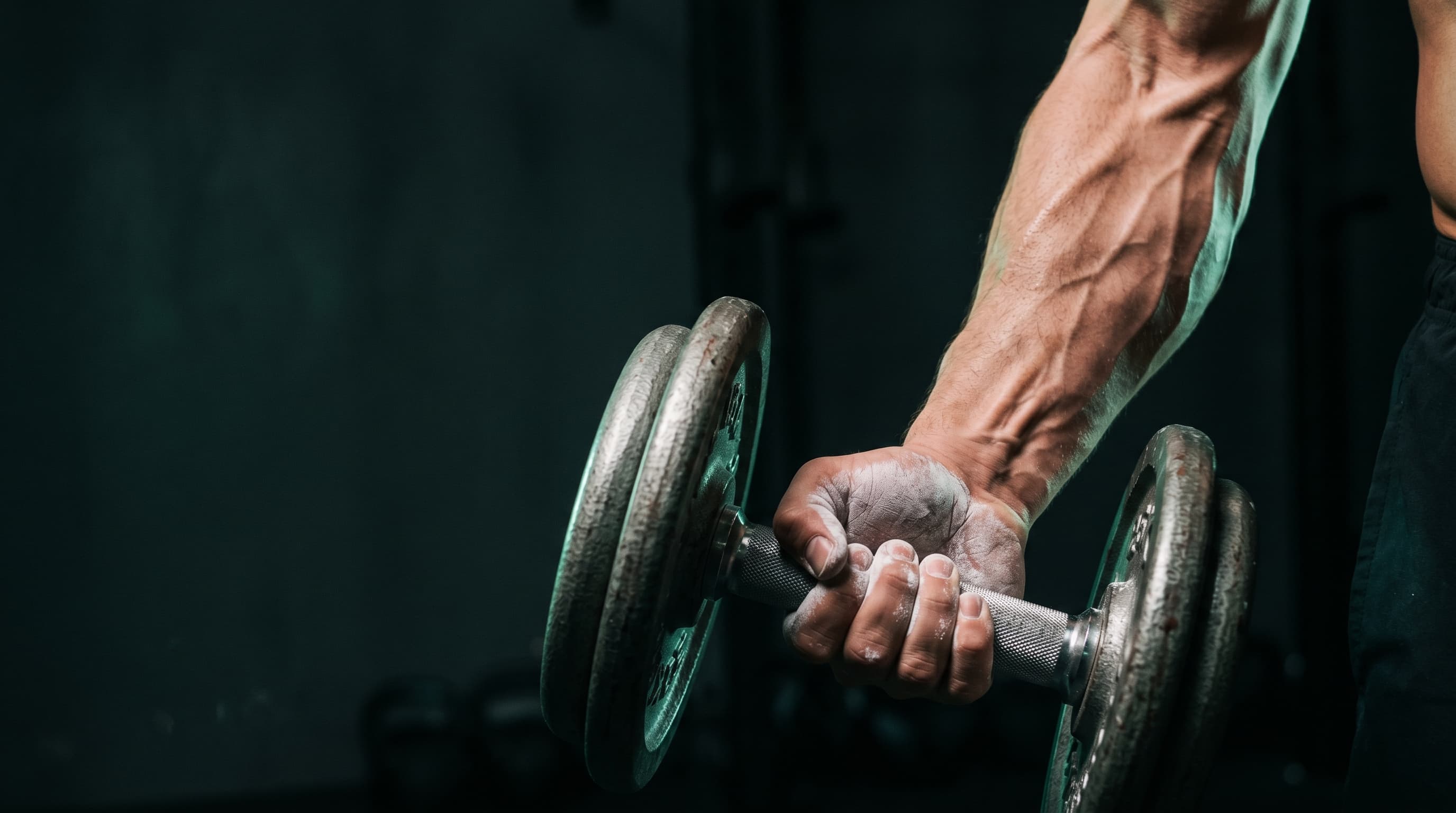
TL;DR: GLP-1 drugs (Ozempic, Wegovy, Zepbound) cause fast weight loss, but the body-composition data shows 25-40% of that weight is lean mass, not fat. You can cut that muscle loss to a fraction with three levers: eat 0.7-1g of protein per pound of bodyweight, do structured resistance training 2-4x per week, and track lean mass and fat mass separately instead of staring at the scale. People who do all three lose around 13% of bodyweight while shedding only ~3% of muscle.
GLP-1 receptor agonists work. Semaglutide and tirzepatide produce weight loss that no diet drug before them came close to. But "weight loss" and "fat loss" are not the same thing, and the difference is exactly the part most people on these medications never measure.
When you suppress appetite hard and fast, your body doesn't selectively burn fat. It burns whatever is available. And a meaningful slice of that is muscle. The good news: the muscle loss is largely preventable, and the protocol to prevent it is the same one any good coach would prescribe for a normal cut. Here's what the data says and what to do about it.
How Much Muscle You Actually Lose
The headline number is sobering. In the STEP 1 body-composition substudy (Wilding et al., 2021), which used DEXA scans to measure tissue directly, participants on semaglutide lost about 39-40% of their total weight as lean body mass. Total lean mass dropped roughly 9.7% from baseline, while fat mass fell 19.3% and visceral fat 27.4%.
So the medication does preferentially target fat. Your proportion of lean mass actually improves. But in absolute terms, losing nearly 10% of your lean tissue is a lot, and lean mass includes the skeletal muscle that drives your metabolic rate, strength, and long-term ability to keep the weight off.
This isn't unique to semaglutide. Tirzepatide (the active ingredient in Zepbound and Mounjaro), studied in the SURMOUNT-1 trial (Jastreboff et al., 2022), shows the same pattern: dramatic total weight loss, with a substantial fraction coming from fat-free mass.
The reason this matters: muscle is the engine of your metabolism. Lose 10% of it and your maintenance calories drop, which makes regain easier the moment you stop the drug or hit a plateau. If you've read why the scale lies about water weight, this is the same lesson at a deeper level. The number on the scale can fall beautifully while your body composition quietly moves the wrong way.
Why GLP-1 Drugs Strip Muscle
Three mechanisms stack up:
- Aggressive calorie deficit. GLP-1 drugs suppress appetite so effectively that many users unintentionally eat at a severe deficit, well past the rate at which the body can pull energy from fat alone. When the deficit outpaces your fat-oxidation ceiling, the balance comes from muscle. (This is the Alpert limit in action.)
- Protein intake collapses. When you're barely hungry, protein is usually the first macro to fall, because it's the most satiating and the easiest to skip. Low protein during a deficit is the single biggest driver of muscle loss.
- No training stimulus. Without resistance training, the body has no reason to hold onto muscle it isn't using. "Use it or lose it" is literal here.
Notice that none of these are inherent to the drug. They're behavioral, which means they're fixable.
Lever 1: Eat Enough Protein (This Is Non-Negotiable)
Protein is the foundation of muscle preservation in any deficit, and it matters even more when appetite is suppressed. The research consistently points to at least 1.2g/kg/day (about 0.55g/lb) as the floor for protecting lean mass, with most evidence favoring 0.7-1.0g per pound of bodyweight for people actively trying to hold muscle.
A few practical rules:
- Distribute it across meals. Aim for 30-40g of protein per meal to maximize the muscle-protein-synthesis response. One giant protein hit at dinner doesn't work as well as three or four moderate doses.
- Prioritize protein first. With appetite suppressed, you have a limited "eating budget." Spend it on protein before carbs or fat. A protein shake counts when whole food feels impossible.
- Don't undereat overall. Crashing to 800 calories a day guarantees muscle loss no matter how high your protein percentage is.
For a full breakdown of targets by bodyweight and goal, see how much protein you actually need per day.
Lever 2: Lift Heavy 2-4x Per Week
Protein gives your body the raw material; resistance training gives it the reason to keep muscle. This is the lever almost everyone on a GLP-1 skips, and it's the one with the biggest payoff.
The mechanism that preserves muscle in a deficit is mechanical tension (lifting challenging weights) not volume, pump, or cardio. You don't need to train like a bodybuilder. You need to:
- Hit each major muscle group 2-3 times per week with compound movements (squat, hinge, press, pull).
- Maintain intensity even as energy drops. Keep the weight on the bar heavy and reduce total sets if you're fatigued, rather than dropping to light weights. Effort near failure is what signals "keep this tissue."
- Progress where you can. Even modest progressive overload (a little more weight or one more rep over time) tells your body the muscle is still needed.
The combined effect is dramatic. A 2025 prospective study following 200 adults on semaglutide or tirzepatide who were coached on resistance training and protein intake found they lost about 13% of bodyweight while losing only ~3% of muscle mass, roughly a third of the muscle loss seen in the untrained trials. A 2025 case series by Tinsley and Nadolsky reported similarly favorable body-composition outcomes in GLP-1 users who trained and ate adequate protein.
The takeaway is unambiguous: you can keep most of your muscle on these drugs. You just have to train.
Lever 3: Track Body Composition, Not Just Weight
Here's the trap. GLP-1 drugs make the scale drop so fast and so satisfyingly that you have zero feedback on what kind of weight you're losing. You feel like a success story right up until you're skinny-fat with a slower metabolism and weak lifts.
The fix is to measure the two things that actually matter (fat mass and lean mass) over time:
| What to track | How often | Why | |---|---|---| | Bodyweight (morning, 7-day average) | Daily | Trend, not a single number | | Body-composition estimate | Weekly | Catches muscle loss early | | Strength in key lifts | Every session | Falling numbers = losing muscle | | Progress photos | Every 2 weeks | The honest mirror |
If your strength is holding and your lifts are stable while the scale drops, you're losing fat and keeping muscle, exactly what you want. If your lifts are crashing, that's your early warning to push protein and training harder. For a full system, see how to track recomposition progress and how to lose fat while keeping muscle.
Putting It Together
If you're on or starting a GLP-1, run this protocol from day one:
- Protein: 0.7-1g per pound of bodyweight, split across 3-4 meals. Lead with it.
- Training: Resistance train 2-4x per week, heavy compounds, intensity maintained.
- Deficit: Don't let appetite suppression push you to a starvation-level deficit. Eat enough to fuel training.
- Tracking: Watch fat mass, lean mass, and lift performance, not just the scale.
Do these and the body-composition math flips in your favor: you keep the muscle that protects your metabolism and makes the loss permanent.
Bottom Line
GLP-1 drugs are a powerful tool, but left unmanaged they take a heavy toll on lean mass, up to 40% of weight lost. The protocol to protect your muscle is well-established and entirely within your control: enough protein, real resistance training, and tracking the right metrics so you catch problems early.
The hardest part is the tracking, because the scale gives you the wrong feedback. Use our free macro calculator to set your protein and calorie targets, and download Protokl to log your training, monitor protein per meal, and forecast your body composition. So you can see whether you're losing fat or losing muscle while it still matters.
Post to Instagram / TikTok
Tap Share, choose Instagram or TikTok, and this 1080×1080 card loads straight into the post composer — ready to publish. Add your caption and point your bio link back here, since links aren’t tappable inside IG/TikTok posts.
Related reading
- How to Break a Weight Loss PlateauStuck at the same weight for weeks? Most plateaus aren't metabolic. Here's how to diagnose the real cause in order, and what to do when adaptation is genuine.
- How to Measure Body Fat Percentage: DEXA vs Calipers vs VisualCompare body fat measurement methods. Learn which is most accurate (DEXA), which is cheapest (visual), and how each method compares.
- How to Lose Fat Without Losing Muscle: The ScienceThe science of fat loss while preserving muscle mass. Covers the Alpert fat oxidation limit, optimal protein intake, training intensity during a deficit, and how to monitor whether you are losing fat or muscle.
Want this as a daily protocol?
Protokl builds personalized workout and nutrition plans around your body composition, goals, and experience level. Science-backed. AI-powered. Syncs with Apple Health.
Get Protokl →