What Is a Good Resting Heart Rate? (And What Lifting Does to It)
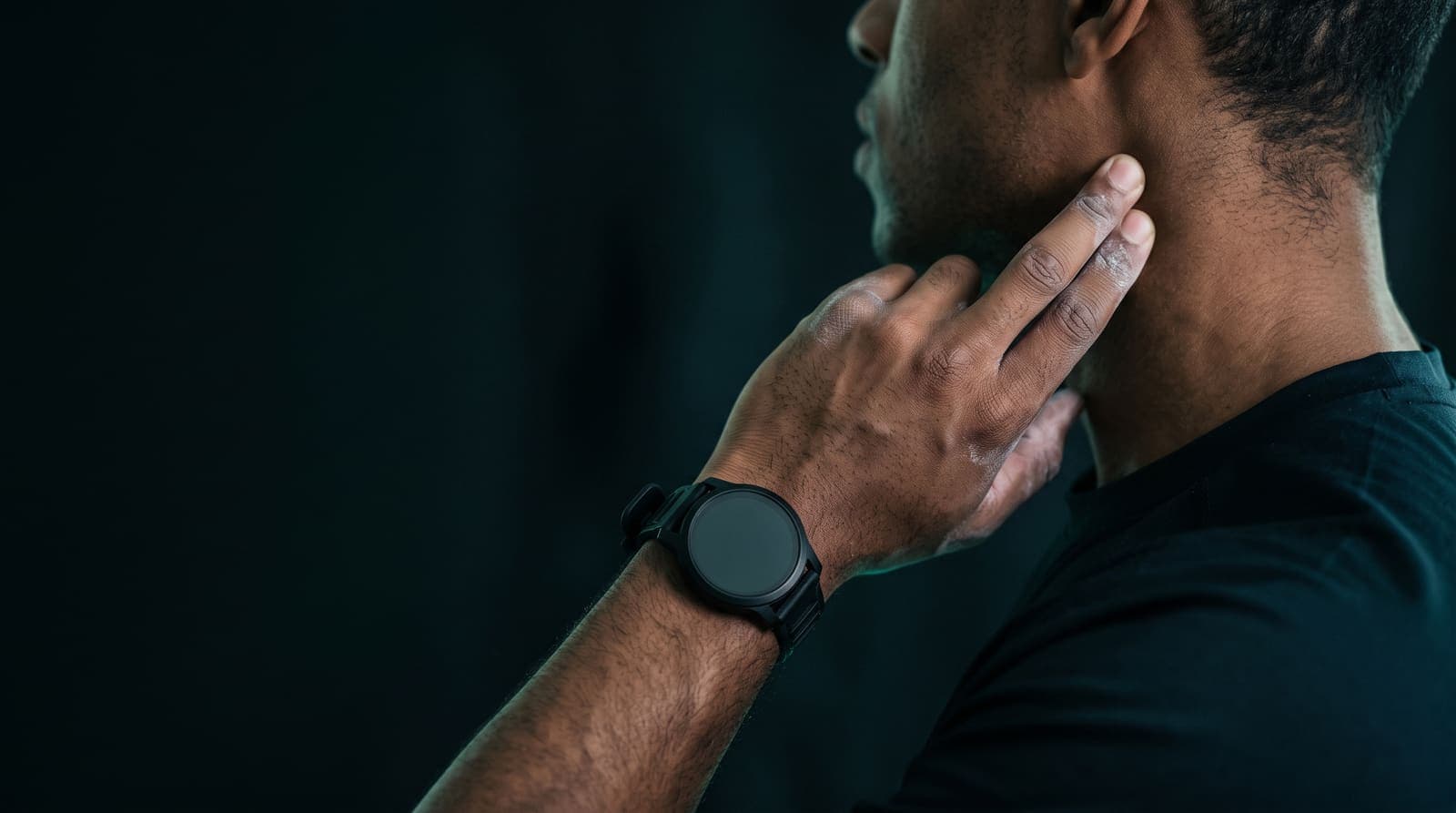
TL;DR: A "normal" resting heart rate is anywhere from 60 to 100 beats per minute, which is a range so wide it's almost useless. For a healthy adult who trains, 50 to 65 bpm is a strong number, and well-trained endurance athletes often sit in the 40s. Every 10 bpm higher is associated with roughly 9% higher all-cause mortality (Zhang et al., 2016). Cardio lowers it the most; lifting on its own only nudges it. The real value is in your own trend: if your morning number sits 5 or more beats above your baseline for a few days, something (sleep, alcohol, illness, or fatigue) is taxing your recovery.
Most people check their resting heart rate once, compare it to a chart, and never think about it again. That's a waste. It's one of the few health metrics your watch measures passively, every single day, with decent accuracy. Used properly, it tells you two different things: how fit your heart is over the long run, and how recovered you are this week.
What the Numbers Mean
The American Heart Association lists 60 to 100 bpm as the normal adult range. That range describes "not sick," not "fit." Here's a more useful way to read your number if you're a healthy adult under 60 and not on heart-rate-altering medication:
| Resting heart rate | What it usually reflects | |---|---| | 40-50 bpm | Very high aerobic fitness, typical of endurance athletes | | 50-60 bpm | Well trained, regular cardio in the mix | | 60-70 bpm | Average to decent; room to improve | | 70-80 bpm | Below average fitness, or a recovery problem | | 80+ bpm | Worth looking at: fitness, stress, sleep, stimulants, or a medical cause |
Two caveats. Genetics shift your baseline by several beats in either direction, so a naturally lean 62 bpm lifter isn't automatically less fit than a friend at 55. And a very low number paired with dizziness, fainting, or fatigue isn't a badge of honor. That's a conversation with a doctor.
Why It Matters Beyond the Gym
Resting heart rate is a surprisingly strong predictor of long-term health. A meta-analysis of 46 cohort studies covering more than 1.2 million people found that each 10 bpm increase in resting heart rate was associated with a 9% higher risk of all-cause mortality and 8% higher risk of cardiovascular death, even after adjusting for traditional risk factors (Zhang et al., 2016).
That's observational data, so it doesn't prove a high heart rate causes harm. It may simply mark lower fitness or underlying disease. But it's the same direction as everything else we know about aerobic capacity, and it's a cheap, daily window into it.
Does Lifting Lower Your Resting Heart Rate?
A little, but less than you'd hope. The largest review on the question pooled 191 studies across exercise types and found that endurance training and yoga produced meaningful reductions in resting heart rate in both men and women, while the effect of strength training was smaller and less consistent (Reimers et al., 2018). Endurance training dropped resting heart rate by several beats on average, with bigger drops in people who started out less fit.
The mechanism explains the gap. Sustained aerobic work enlarges the heart's left ventricle and increases parasympathetic (rest-and-digest) tone, so each beat moves more blood and the heart can beat less often at rest. Heavy sets of 5 to 10 reps don't create that sustained volume load on the heart.
So if you only lift, don't expect your resting heart rate to fall into the 50s. If that number matters to you (and given the mortality data, it probably should), add aerobic work. Two or three easy 30 to 45 minute sessions a week is enough to move it, and done at the right intensity it won't touch your strength. Our breakdown of Zone 2 cardio for fat loss covers how to dose it without hurting your gains, and the heart rate zone calculator gives you the exact range to stay in.
The Better Use: Your Trend as a Recovery Signal
A single reading tells you little. A trend tells you a lot. Your resting heart rate on any given morning reflects the balance between your sympathetic (stress) and parasympathetic (recovery) nervous systems. When you're under-recovered, that balance tips and your number creeps up.
Sport scientists have used morning heart rate this way for decades. Buchheit's review of heart-rate monitoring concluded that resting and nightly heart-rate measures can track training status, with the caveat that you need to read them against the individual's own baseline rather than a population norm (Buchheit, 2014).
Here's a simple rule that works:
- Know your baseline. Use your 2 to 4 week rolling average, not one day.
- Flag a sustained jump. 5 or more bpm above baseline for 2 to 3 mornings in a row is a signal. One high reading is noise.
- Look for the cause before you change the plan. The usual suspects are short sleep, alcohol, a cold coming on, heat, dehydration, stress, or a recent block of hard training.
- Act on it. If the cause is fatigue, keep the session but trim volume or intensity. If you're getting sick, rest. Pushing through a rising heart rate and a sore throat is how a two-day cold becomes a two-week layoff.
Alcohol is the one most lifters underestimate. A study of more than 4,000 people tracked overnight found that even low doses of alcohol suppressed recovery-related heart-rate measures during the first hours of sleep, with larger doses causing bigger drops (Pietilä et al., 2018). If your Saturday morning number is always your worst of the week, that's probably why. We go deeper on this in alcohol and fitness.
Resting heart rate also pairs well with heart rate variability. HRV tends to react faster and more sensitively, while resting heart rate is steadier and easier to interpret. If you already track one, read how to use HRV for training readiness to get the most out of both. And if a rising trend lines up with a nagging joint rather than a cold, training around an injury without losing muscle is a better plan than either pushing through or stopping entirely.
Getting an Accurate Reading
How you measure matters more than which device you use.
- Apple Watch estimates resting heart rate from readings taken while you're inactive and still through the day and night. It's generally reliable for this, because the hard case for wrist sensors (rapid changes during lifting) doesn't apply at rest. We tested the harder case in how accurate is Apple Watch heart rate for weightlifting.
- Manual check: take it right after waking, before coffee, before you stand up. Count your pulse for 30 seconds and double it.
- Be consistent. Same time, same conditions. A reading after a double espresso and a stressful email isn't resting.
- Watch for confounders. Caffeine, nicotine, hot weather, and some medications (decongestants raise it, beta blockers lower it) all shift the number independent of fitness.
How to Lower It
In rough order of effect:
- Aerobic training. The biggest lever by far. Consistent easy cardio, a few hours a week, over several months.
- Sleep. Seven to nine hours. Short sleep shows up in your resting heart rate the next morning.
- Less alcohol. Especially in the evening.
- Lose excess fat. Carrying less body fat reduces the work your heart does at rest.
- Manage training load. Chronically high resting heart rate in a hard-training lifter is often just too much volume with too little recovery. Planned rest helps; see how many rest days per week you actually need.
The Bottom Line
Aim for a resting heart rate in the 50s or low 60s if you're a healthy adult who trains. Get there with cardio, not just lifting. Then stop obsessing over the absolute number and start watching the trend, because a sustained rise above your baseline is one of the earliest warnings you'll get that sleep, alcohol, illness, or fatigue is eating your recovery.
The catch is that a trend is only useful if someone is actually watching it. Protokl reads your resting heart rate, HRV, and sleep straight from Apple Health and folds them into a daily readiness score, so on the mornings your body is quietly struggling, your workout adjusts before you dig the hole deeper. You train hard on the days you can, and you don't waste the days you can't.
Post to Instagram / TikTok
Tap Share, choose Instagram or TikTok, and this 1080×1080 card loads straight into the post composer — ready to publish. Add your caption and point your bio link back here, since links aren’t tappable inside IG/TikTok posts.
Related reading
- HRV and Training Readiness: How to Know When to Push or Back OffYour morning HRV reading is the closest thing to a fuel gauge for training. Here's what it actually measures, how to read it without obsessing, and how to turn it into a real push-or-rest decision.
- How to Train Around an Injury Without Losing MuscleAn injury takes one movement away from you, not your whole physique. Here's what the disuse research says about how fast muscle actually goes, and the four levers that keep almost all of it while you heal.
- GZCLP Review: The Best Beginner Program Nobody RecommendsGZCLP fixes the two things that break StrongLifts 5x5: not enough volume and no way to fail gracefully. Here's how the three-tier structure works, where it still falls short, and who should run it.
Want this as a daily protocol?
Protokl builds personalized workout and nutrition plans around your body composition, goals, and experience level. Science-backed. AI-powered. Syncs with Apple Health.
Get Protokl →